





Sealing Leaky Ducts Before Winter
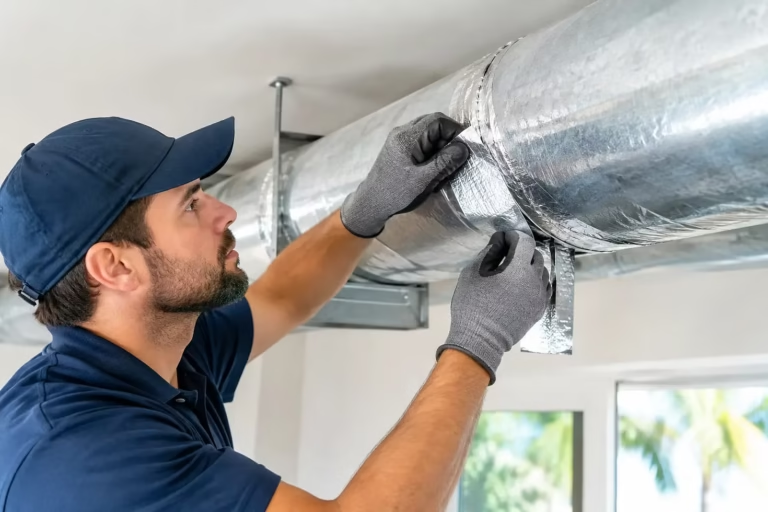
As autumn temperatures drop across the country, home heating systems prepare to take on heavy daily workloads. Ensuring your living space stays warm and comfortable requires a reliable, well-maintained heating, ventilation, and air conditioning (HVAC) network. Taking the time to seal leaky ducts winter approaches prevents costly warm air loss, lowers monthly utility bills, and keeps indoor temperatures balanced across every room in your home. During summer and transitional autumn months, air duct joint seams, flexible connector hoses, and metal register boots often develop small cracks, gaps, or loose seals. When central heating kicks on, high static pressure forces newly warmed air straight out through these openings into unheated attics, crawlspaces, or basements. Sealing these hidden leaks protects your furnace from unnecessary strain and keeps clean, warm air circulating where your family needs it most. Why Sealing Leaky Ducts Before Winter Is Essential Unsealed ventilation ductwork allows up to 30 percent of heated air to escape before ever reaching living spaces. Taking proactive measures to seal duct connections before winter delivers immediate economic, operational, and health benefits. 1. Significant Heating Cost Savings When warm air escapes into unconditioned spaces, your heating system must run noticeably longer cycles to satisfy thermostat settings. Eliminating duct leakage lowers total system energy consumption, reducing your monthly heating utility bills significantly throughout the coldest months of the year. 2. Consistent Room Temperatures and Comfort Duct leaks cause severe pressure imbalances across home ventilation networks. Sealing gaps ensures equal warm airflow delivery to upstairs bedrooms, cold perimeter corners, and distant living spaces, effectively eliminating annoying cold spots and drafts. 3. Protected Indoor Air Quality Leaky return ducts located in dusty attics, basements, or crawlspaces act like vacuums, sucking in insulation fibers, mold spores, rodent droppings, and fine dust. Sealing joint seams prevents dangerous contaminants from entering your breathing air when the furnace blower activates. Step-by-Step Checklist to Seal Leaky Ducts Before Winter Systematic inspection and sealing guarantee that your home heating system operates cleanly and efficiently. Follow this practical step-by-step checklist to prepare your ductwork for winter. 1.Inspect Accessible Ductwork Sections:Locate gaps in unconditioned spaces first. Examine visible duct lines in basements, attics, and crawlspaces while the furnace fan runs. Feel along joints and seams for escaping air streams or look for visible gaps, disconnected sections, and falling insulation. 2.Clean Joint Surfaces Thoroughly:Ensures sealing materials adhere properly to surfaces. Wipe away dust, grease, and grime around duct seams using a clean damp cloth. Allow metal surfaces to dry completely so sealing compounds and specialized tapes bond securely to the substrate. 3.Apply Professional Mastic Sealant or Foil Tape:Never use standard fabric duct tape for permanent seals. Spread brush-on duct mastic compound at least 1/16-inch thick over small gaps, or apply UL-181 rated foil tape across clean joints. Reinforce larger gaps over 1/4-inch wide using fiberglass mesh tape paired with mastic.…