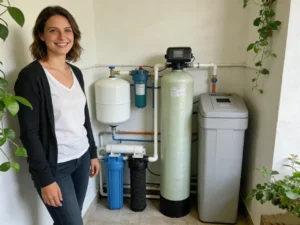

Water has a strange way of disappearing into the background of life. You turn on the faucet without thinking. Fill a glass during dinner. Brew coffee half-awake in the morning. Most days, it’s automatic — almost invisible.
But lately, more people are paying attention to what’s actually in their water, and honestly, it makes sense.
Concerns about aging infrastructure, changing water conditions, and rising awareness around health have made households more curious about the quality of what they drink every single day. Not in a fearful, dramatic way. More in a practical, “maybe we should look into this” kind of way.
And once people start asking questions about water, they usually realize how connected it is to everyday comfort.
Water Affects More Than Just Thirst
Good water changes things quietly.
Tea tastes cleaner. Ice cubes lose that strange freezer-like aftertaste. Cooking feels easier somehow because ingredients taste closer to what they’re supposed to taste like. Even pets sometimes drink more water when it tastes fresher.
The funny part is that most people don’t notice poor water quality until they experience better water somewhere else. Maybe at a friend’s house, a café, or while traveling. Suddenly the difference becomes obvious.
That’s one reason families are investing more attention into creating access to healthy drinking water at home instead of assuming the tap is automatically perfect. Safe and ideal aren’t always exactly the same thing.
Municipal treatment systems do important work, of course, but by the time water travels through miles of infrastructure and older plumbing, taste, odor, and mineral content can still vary quite a bit.
The Shift Away From Convenience Water
For years, many households relied heavily on bottled water because it felt simple and dependable. Grab a case from the store, stack it in the garage, and move on with life.
But people are slowly becoming frustrated with that cycle.
Plastic waste piles up quickly. Cases become expensive over time. Carrying heavy packs inside every week gets old faster than anyone admits. And honestly, many bottled brands are simply filtered municipal water anyway.
There’s also the issue of consistency. Some brands taste great, others don’t. Sometimes even the same brand tastes slightly different from one batch to another.
That growing frustration has pushed homeowners toward more permanent solutions instead of relying on endless disposable bottles.
Home Water Systems Have Changed a Lot
Years ago, filtration systems felt bulky and overly technical — something you’d only install during a major renovation. That’s not really true anymore.
Modern drinking water systems are far more compact, efficient, and user-friendly than older generations of equipment. Many are designed specifically for kitchens or under-sink installation, quietly improving water quality without taking over the whole house.
And the technology itself has improved too.
Today’s systems can reduce sediment, chlorine taste, odors, and various impurities while preserving convenience. Some households choose multi-stage filtration setups, while others focus mainly on improving taste and clarity. It really depends on local water conditions and personal preference.
The important thing is that people now have options beyond constantly buying plastic bottles or ignoring water issues altogether.
The Emotional Side of Better Water
There’s also something personal about drinking water that people don’t talk about much.
Water becomes part of family routines in oddly meaningful ways. Filling a child’s lunch bottle before school. Keeping a glass beside the bed at night. Offering guests cold water during summer afternoons. Making soup when someone feels sick.
These tiny moments happen constantly, almost unnoticed, yet water sits quietly in the center of all of them.
That’s why improving water quality often feels more satisfying than people expect. It’s not flashy like remodeling a kitchen or buying new furniture. But it changes dozens of daily experiences in small, steady ways.
One homeowner once described it to me as “removing background annoyance from life.” Honestly, that feels pretty accurate.
Not Every Home Needs the Same Solution
One thing worth remembering is that water conditions vary dramatically depending on where someone lives. A rural home using well water faces different challenges than a downtown apartment connected to city infrastructure.
Some people mainly dislike chlorine taste. Others struggle with mineral-heavy water or sediment. In certain areas, seasonal changes even affect odor and clarity throughout the year.
That’s why testing and understanding local water conditions matter before choosing any system. The best setup is the one that solves the actual issue instead of chasing marketing promises.
And thankfully, homeowners today have more information available than ever before.
Better Water Usually Means Better Habits
Interestingly, when people genuinely enjoy the taste of their water, they tend to drink more of it naturally.
That sounds obvious, but it matters.
Children refill glasses more often. Adults reach for water instead of sugary drinks. Coffee and tea require less masking flavor because the base water already tastes clean. These little shifts quietly influence overall routines over time.
And maybe that’s the real value of improving household water. It isn’t just about filtration equipment or fancy technology. It’s about making everyday life feel a little healthier, easier, and more comfortable without constant effort.
Because at the end of the day, water isn’t just another utility. It’s something we rely on every single hour, often without even realizing how much it shapes our routines until it improves.