There are certain home problems that don’t announce themselves with a bang. They just sort of sit there, bothering you in small ways until one day you realise you’ve been working around them for years. Water is one of those things.
Maybe the showerhead has that chalky ring around it again. Maybe your coffee machine needs cleaning more often than it should. Maybe the glassware comes out of the dishwasher looking cloudy, even though you bought the “good” detergent. None of it feels like an emergency, exactly. But it’s irritating. And, over time, it starts to affect how clean, efficient, and comfortable your home feels.
That’s why more homeowners are paying closer attention to what’s actually moving through their pipes. Not just whether the water looks clear, but whether it’s leaving minerals behind, damaging appliances, drying out skin, or making everyday cleaning harder than it needs to be.
The Quiet Trouble Hiding in Everyday Water
Most tap water contains minerals. Some areas have more than others, especially where the local supply passes through limestone, chalk, or mineral-rich ground. Calcium and magnesium are the usual suspects. They aren’t necessarily dangerous in normal amounts, but inside a home, they can be a real nuisance.
Hard water leaves deposits on fixtures, inside pipes, and within appliances. Those white marks on taps and shower doors? That’s usually mineral buildup. The scale inside a kettle or water heater? Same story. It happens slowly, which is probably why many people ignore it until something breaks, clogs, or stops working efficiently.
This is where mineral removal becomes less of a technical phrase and more of a practical home improvement. Removing or reducing excess minerals can help protect plumbing, improve appliance performance, and make cleaning feel a whole lot less repetitive.
Why Hard Water Feels Like More Work
Anyone who has lived with hard water knows the frustration. Soap doesn’t lather properly. Shampoo feels like it takes forever to rinse out. Towels become stiff. Sinks and tiles need constant wiping. Even freshly washed clothes can feel a little rough, as if the detergent never fully did its job.
The frustrating part is that people often blame the products first. They switch soaps, buy stronger cleaners, change laundry detergent, or scrub harder. Sometimes that helps a little. But if the water itself is causing the issue, those fixes only go so far.
Hard water can also make appliances work harder. Water heaters may lose efficiency when scale builds up inside the tank. Dishwashers and washing machines can develop mineral deposits around internal parts. Over time, that may mean more maintenance, higher energy use, and a shorter lifespan for expensive equipment.
How Water Treatment Fits Into Real Life
Good water treatment is not about adding complicated equipment just for the sake of it. It’s about matching the right system to the problem. A home with hard water may benefit from a softener. A home dealing with chlorine taste or odour may need filtration. A property with well water might require testing for iron, sediment, bacteria, or other concerns before choosing a system.
That’s why proper water testing matters. Guesswork can lead to wasted money. You don’t want to install something that only solves half the problem, or worse, doesn’t solve the right problem at all.
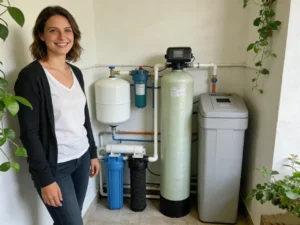
Modern water treatment solutions can be designed around the way a household actually uses water. Some systems focus on the whole home, helping with showers, laundry, appliances, and plumbing. Others are point-of-use systems, like under-sink filters for drinking and cooking. The best setup depends on water conditions, household size, budget, and expectations.
The Comfort Factor People Notice First
Interestingly, many homeowners first notice better water through small daily moments. The shower feels nicer. Hair rinses cleaner. Skin doesn’t feel as tight after bathing. Towels come out softer. Dishes look clearer. The bathroom stays cleaner for longer.
These are not dramatic, showroom-style improvements. They’re quieter than that. But they matter because they touch everyday life.
A home is not just walls, furniture, and appliances. It’s routines. Morning showers, evening dishes, laundry on a Sunday, filling the kettle before work. When the water behaves better, those routines feel smoother. That’s the part people often underestimate.
Better water can support home comfort in a very real way, even if it doesn’t get talked about as much as heating, lighting, or interior design. Clean-feeling water changes how a home feels to live in, not just how it functions.
Protecting What You Already Own
Think about how many appliances rely on water. The dishwasher. Washing machine. Water heater. Coffee maker. Ice machine. Boiler. Even small fixtures like taps and shower valves deal with water every single day.
If that water is full of minerals, sediment, or other unwanted elements, everything in its path has to deal with it. Scale can reduce flow, block small openings, and force appliances to operate under extra strain. You may not notice it immediately, but the cost can show up later in repairs or replacements.
This is where prevention makes sense. Not glamorous, no. But smart. Just like servicing a car before the engine complains, treating water early can help reduce avoidable wear throughout the home.
A Cleaner Home Without Constant Scrubbing
One of the most appreciated benefits of improved water is less visible buildup. Shower screens stay clearer. Chrome fixtures keep their shine longer. Sinks don’t develop those stubborn white stains as quickly. Even cleaning products can work better when they aren’t fighting mineral-heavy water.
It doesn’t mean the house cleans itself, sadly. We’re not there yet. But it can reduce the amount of scrubbing, soaking, and re-cleaning required to keep things looking decent.
For busy families, that can feel like a small gift.
Choosing the Right Approach
Before investing in any system, homeowners should start with a proper water test. It gives a clearer picture of hardness levels, minerals, chlorine, iron, sediment, pH, and other possible concerns. From there, it becomes much easier to choose the right equipment.
A trusted water specialist can explain the options without overcomplicating things. Some homes need a simple softener. Others need filtration and softening together. Some only need drinking water improvements. There’s no single answer that fits everyone.
Better Water Is an Everyday Upgrade
Water may not be the most exciting home improvement topic, but it might be one of the most practical. It affects cleaning, bathing, cooking, laundry, appliances, and even the way a room looks after a few days of use.
When water is properly treated, the benefits show up quietly but consistently. Less scale. Better cleaning. Softer laundry. More efficient appliances. A home that simply feels easier to manage.
And honestly, that’s worth something. Because the best upgrades aren’t always the loudest ones. Sometimes they’re the ones you notice when your shower feels better, your glasses come out clear, and you no longer have to scrub the same tap every other day.