
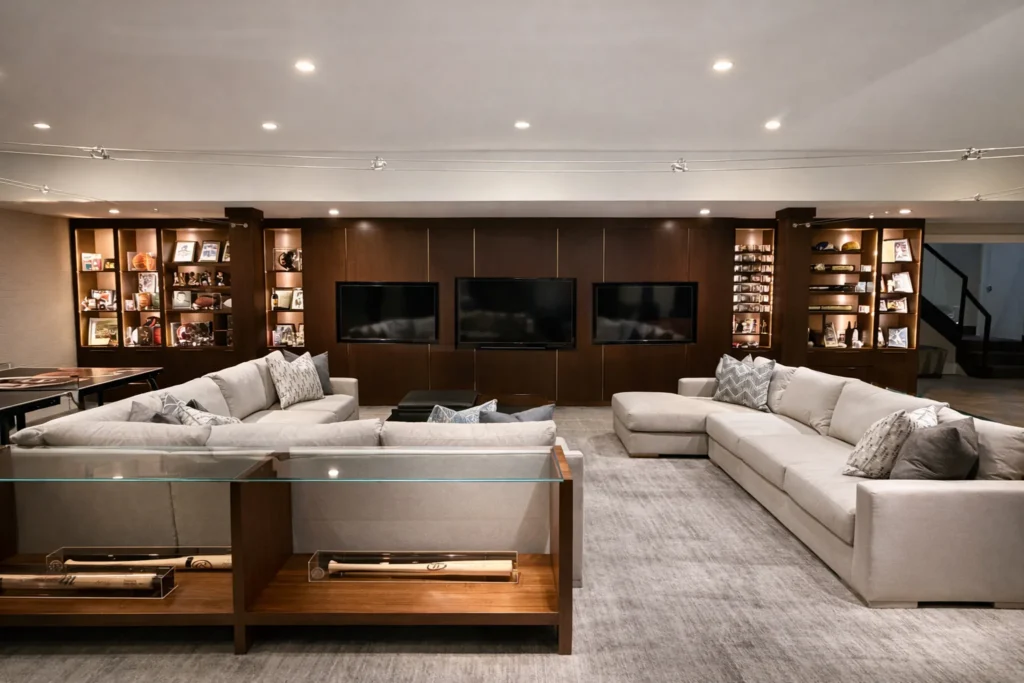
It’s interesting how two houses with the same floor plan can feel completely different. One feels calm, organized, and surprisingly spacious, while the other seems crowded despite having the exact same square footage. The difference usually isn’t about size. It’s about how the space is used.
Many homeowners assume they need a larger house when everyday life starts feeling cramped. More often than not, though, the real solution isn’t moving at all. It’s making smarter use of the space that’s already there.
Unused corners, empty walls, awkward alcoves, and forgotten storage areas quietly hold more potential than most people realize. With a little creativity and thoughtful planning, they can become some of the most useful parts of the home.
Every Home Has Hidden Opportunities
Take a slow walk through your home, and you’ll probably notice them.
The empty space beneath the staircase. A hallway that’s wider than necessary. An unused section of the living room wall. The area around a fireplace that feels unfinished. Even the space above kitchen cabinets often goes unnoticed.
These aren’t wasted spaces because someone designed them poorly. They’re simply waiting for ideas that fit the people who actually live there.
That’s the beauty of thoughtful home design—it adapts to real life rather than expecting homeowners to adjust to the house.
Storage Should Feel Natural
One of the biggest challenges families face isn’t a lack of rooms. It’s a lack of organization.
Books pile up on coffee tables. Children’s toys slowly spread across the living room. Seasonal decorations take over closets, while office supplies somehow migrate into kitchen drawers.
Well-designed built-in storage quietly solves many of these everyday frustrations.
Window seats with hidden compartments, hallway cabinets, mudroom lockers, entertainment centers, and floor-to-ceiling bookcases all create organized spaces without making a room feel cluttered. Because these features become part of the home’s architecture, they often appear more spacious than standalone furniture.
Storage doesn’t have to feel like an afterthought.
When it’s planned carefully, it becomes part of the design itself.
Thoughtful Woodworking Adds Character
There’s something timeless about natural wood.
It brings warmth to modern interiors, complements traditional homes, and introduces texture that painted drywall simply can’t provide. More importantly, quality woodworking gives a home personality that mass-produced furniture rarely achieves.
Professionally crafted custom woodwork allows homeowners to create features that fit their lifestyle instead of settling for standard sizes and layouts. Floating shelves, fireplace surrounds, built-in desks, reading nooks, decorative ceiling beams, and personalized cabinetry all help create rooms that feel uniquely yours.
These aren’t simply decorative additions.
They’re practical improvements that also happen to be beautiful.
Function Comes Before Decoration
It’s easy to become distracted by colors, finishes, and furniture styles while planning home improvements.
Those elements certainly matter, but successful design almost always begins with function.
Where do family members naturally gather? Which rooms feel crowded? Is there enough storage near the entrance? Does working from home require a quieter workspace? Could better organization simplify busy mornings?
Answering these questions often leads to better decisions than focusing only on appearance.
The most inviting homes support everyday routines effortlessly.
Better Organization Reduces Daily Stress
Few things feel more satisfying than walking into a room where everything has its place.
Countertops stay clear because appliances have dedicated storage. Books remain organized instead of stacked on tables. Shoes no longer gather near the front door, and seasonal decorations become easy to access without emptying an entire closet.
These improvements don’t just organize belongings.
They simplify daily life.
A well-organized home allows families to spend less time searching for misplaced items and more time enjoying the spaces they’ve created.
Sometimes reducing clutter creates a surprising sense of calm.
Design Should Evolve With Your Family
Homes aren’t static.
Children grow older. Hobbies change. Remote work becomes permanent. Guests visit more often, or perhaps aging parents eventually move in.
The best design solutions adapt naturally as life changes.
Flexible layouts, multipurpose furniture, built-in desks, organized storage, and versatile shelving help homes remain practical without requiring constant renovation.
Instead of redesigning entire rooms every few years, homeowners can make thoughtful improvements that continue supporting changing lifestyles.
That’s one reason custom solutions often provide lasting value.
Creating Comfortable Daily Routines
Beautiful homes certainly attract compliments, but comfortable homes quietly improve everyday experiences.
Thoughtfully arranged functional living spaces encourage family members to spend more time together. Comfortable reading corners become favorite afternoon retreats. Organized home offices improve productivity, while practical storage keeps busy mornings running smoothly.
None of these features need to be dramatic.
Their value comes from how naturally they support daily life.
Good design often feels invisible because everything simply works the way it should.
Investing Beyond Appearance
Home improvement projects frequently focus on increasing property value, and that’s certainly an important consideration.
However, homeowners themselves experience the greatest return long before the house ever reaches the market.
A more organized entryway reduces morning stress. Better storage simplifies cleaning. Built-in furniture eliminates clutter, while personalized layouts make entertaining guests more enjoyable.
These benefits continue every single day.
Property value matters, but quality of life deserves equal attention.
The Best Homes Reflect the People Living Inside
Some homes immediately feel welcoming.
Not because they’re the largest or most expensive, but because every space seems thoughtfully considered. Rooms serve clear purposes, storage feels effortless, and the entire house reflects the routines of the people who live there.
That sense of comfort rarely happens by accident.
It grows through careful planning, practical improvements, and attention to the small details that quietly shape everyday life.
Whether you’re adding built-in cabinetry, creating a more organized workspace, or redesigning an overlooked corner, remember that the goal isn’t simply to fill empty space. It’s to create a home that supports your family naturally, comfortably, and beautifully.
In the end, the most successful homes aren’t defined by square footage alone. They’re defined by how well they work for the people who call them home. And when thoughtful design meets practical function, every room becomes more than just another space—it becomes part of a home that’s easier to live in, more enjoyable to share, and ready to grow alongside the memories made within it.
Useful home improvement reads
- Why Improving Your Home’s Water Quality Is an Investment You’ll Appreciate Every Day
- Clean Water Begins with Confidence: A Practical Guide to Better Water at Home
- Why Professional Electrical Services Matter More Than Ever for Modern Homes and Businesses
- Why Better Water Starts with Understanding What Flows Through Your Home