There was a time when most people never questioned the water coming out of their kitchen tap. You poured a glass, maybe added ice, and that was pretty much the end of the conversation. But somewhere over the last decade or so, people started paying closer attention. Maybe it was concerns about aging infrastructure, maybe rising awareness around contaminants, or maybe we all just became a little more particular about what we consume every day.
Whatever the reason, water quality has become one of those things homeowners think about more often now — sometimes without even realizing it.
You hear it in casual conversations. Someone complains about hard water stains on shower doors. Another mentions their coffee tastes weird unless they use filtered water. Families start buying cases of bottled water because “the tap just tastes off lately.” Before long, they’re researching filters, softeners, purification systems, and trying to figure out what actually makes sense for their home.
Convenience Can Only Carry You So Far
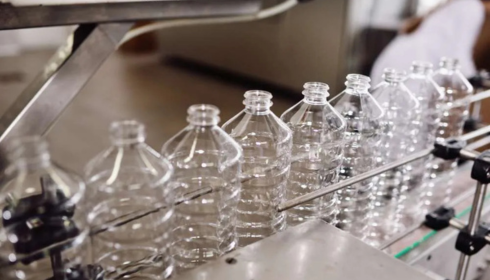
For years, many households relied heavily on bottled water delivery because it felt easy. Large refillable jugs showed up at the door, everyone stayed hydrated, and it seemed like a cleaner alternative to tap water. In some ways, it solved the immediate problem.
But over time, people began noticing the downsides too.
The bottles take up space. Deliveries occasionally run late. Costs slowly add up month after month in ways that aren’t obvious at first. And honestly, hauling heavy water containers around the kitchen isn’t exactly anyone’s idea of fun.
That doesn’t mean bottled delivery services are useless — they still work well for many offices and households — but more homeowners are starting to ask a different question: what if the water coming directly from the tap could be just as reliable?
That shift in thinking is what’s driving interest toward long-term home water treatment systems rather than temporary workarounds.
Every Water Problem Has Its Own Personality
Here’s the thing people often don’t realize until they start researching: “bad water” isn’t just one single issue.
Some homes deal with hard minerals that leave scale buildup on appliances and fixtures. Others struggle with chlorine-heavy municipal water that affects taste and smell. Rural homes using wells may encounter iron, sulfur, sediment, or bacterial concerns. Even neighboring homes can experience slightly different water conditions depending on plumbing and infrastructure.
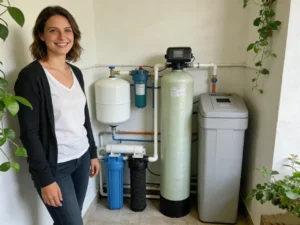
That’s why targeted problem water solutions have become so important. Instead of treating all water concerns the same way, modern systems are designed to solve specific issues based on what’s actually present in the water supply.
A household battling hard water might benefit most from a softener. Another home may need reverse osmosis filtration for drinking water. Some properties require multiple systems working together to improve overall quality throughout the house.
The smartest approach usually starts with testing rather than guessing. Because honestly, buying expensive equipment without understanding the real issue is a bit like taking random medicine before seeing a doctor.
Water Quality Affects More Than Drinking
People naturally focus on taste first, but water quality reaches into daily life in ways that are easy to overlook.
Hard water affects laundry softness. Mineral buildup shortens appliance lifespan. Showers can leave skin feeling dry or hair feeling dull. Even dishes come out differently depending on the water composition. Tiny frustrations start stacking up over time until homeowners realize the water itself might be the root cause.
That’s where systems designed for full-home treatment become especially valuable. Instead of only filtering drinking water at one faucet, these setups improve water quality across showers, sinks, laundry appliances, and plumbing systems throughout the entire property.
And oddly enough, people often notice the small changes first.
Soap lathers better. Towels feel softer. Coffee tastes cleaner. Water spots become less stubborn. None of it sounds life-changing individually, but together those improvements noticeably shift how a home feels day to day.
Why Trusted Water Brands Matter to Homeowners
When homeowners start researching treatment systems, they quickly realize there’s a huge range of products out there — some excellent, some questionable, and plenty somewhere in the middle.
That’s one reason established brands like EcoWater Systems continue attracting attention. People want equipment that’s reliable, professionally installed, and backed by ongoing support rather than disposable products that fail after a year or two.
Trust matters a lot when it comes to something as essential as household water.
Most families aren’t looking for flashy technology or complicated systems with endless maintenance requirements. They simply want water that tastes good, feels clean, and doesn’t create constant headaches for appliances or plumbing.
A well-designed treatment setup quietly handles those concerns in the background without demanding much attention afterward.
And honestly, that’s probably the ideal outcome.
The Emotional Side of Clean Water
There’s also something psychological about knowing your home’s water is properly treated.
You stop second-guessing whether the tap tastes strange today. You stop buying endless packs of bottled water “just in case.” You stop worrying about what guests think when they ask for a glass of water.
That peace of mind has value people don’t always calculate financially.
Clean water affects routines in quiet ways — making morning coffee, filling a child’s water bottle before school, cooking dinner, taking a long shower after a stressful day. These ordinary moments become just a little more comfortable when water quality isn’t something sitting in the back of your mind.
And maybe that’s why more homeowners are finally investing in proper treatment systems now. Not because it’s trendy, but because good water simply makes daily life easier in ways that feel surprisingly personal once you experience the difference.