Your HVAC system works hard year-round to keep your home comfortable, whether it’s cooling your living spaces during the summer or providing warmth during colder months. Because most homeowners rely on their heating and cooling systems daily, it’s easy to overlook small performance issues until they become larger and more expensive problems.
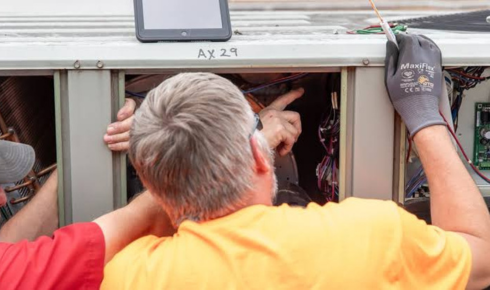
Recognizing the early warning signs of HVAC trouble can help prevent unexpected breakdowns, improve energy efficiency, and extend the lifespan of your equipment. When concerns arise, consulting an experienced HVAC company Sacramento, CA can help identify issues before they escalate into costly repairs.
Here are some common signs that your HVAC system may need professional attention.
Uneven Temperatures Throughout Your Home
One of the first indicators of an HVAC problem is inconsistent temperatures from room to room.
You may notice that certain areas of your home feel significantly warmer or cooler than others, even when the thermostat is set to a consistent temperature. This issue can result from several causes, including airflow restrictions, ductwork problems, thermostat malfunctions, or equipment that is struggling to maintain performance.
A professional inspection can help determine the source of the imbalance and restore even comfort throughout your home.
Rising Energy Bills Without Explanation
An increase in utility costs often signals that your HVAC system is working harder than it should.
As components wear down or become dirty, the system requires more energy to maintain the desired indoor temperature. Clogged filters, dirty coils, failing motors, and refrigerant issues can all reduce efficiency and increase operating costs.
If your energy bills continue to rise despite normal usage habits, your HVAC system may need professional evaluation and maintenance.
Unusual Noises During Operation
Most HVAC systems produce some level of operational sound, but new or unusual noises should never be ignored.
Common warning sounds include:
- Banging or clanking
- Grinding noises
- Squealing or screeching
- Buzzing sounds
- Rattling components
These noises often indicate loose parts, motor problems, worn belts, or electrical issues. While the system may continue running temporarily, delaying repairs can lead to more extensive damage.
Professional technicians can diagnose the cause of the noise and address it before it affects other components.
Weak Airflow From Vents
If air is flowing weakly from your vents, your HVAC system may be struggling to circulate conditioned air properly.
Several factors can contribute to poor airflow, including:
- Dirty air filters
- Blocked ductwork
- Blower motor issues
- Clogged evaporator coils
- Leaking air ducts
Weak airflow can make your home less comfortable while forcing the system to work harder. Over time, this additional strain can shorten the lifespan of the equipment and increase energy consumption.
Frequent Cycling On and Off
HVAC systems naturally cycle throughout the day as they maintain indoor temperatures. However, if your system turns on and off more frequently than usual, it may be experiencing a problem known as short cycling.
Short cycling can be caused by thermostat issues, airflow restrictions, refrigerant imbalances, electrical problems, or improperly sized equipment.
Frequent cycling not only reduces efficiency but also increases wear on critical system components. A professional assessment can identify the underlying issue and prevent premature system failure.
Unpleasant Odors
Strange odors coming from your vents often indicate that something requires attention.
Musty smells may suggest mold or mildew growth within the system or ductwork. Burning odors could indicate electrical issues, overheating components, or excessive dust accumulation.
While some odors may have simple explanations, persistent smells should always be evaluated by a qualified HVAC professional to ensure safe operation and healthy indoor air quality.
Excess Humidity Indoors
Your HVAC system plays an important role in controlling indoor humidity levels, particularly during warmer months.
If your home suddenly feels damp, sticky, or excessively humid, your system may not be removing moisture effectively. High indoor humidity can make living spaces feel uncomfortable and may contribute to mold growth and poor indoor air quality.
Professional service can help identify whether the issue stems from system performance, airflow concerns, or equipment sizing.
Poor Indoor Air Quality
An HVAC system that is not functioning properly can negatively impact the air you breathe.
Signs of declining indoor air quality may include:
- Increased dust accumulation
- Allergy symptoms
- Respiratory irritation
- Persistent odors
- Visible mold growth near vents
Dirty filters, neglected maintenance, and airflow issues can all contribute to air quality concerns. Regular inspections and servicing help keep your HVAC system clean and operating efficiently.
Water Leaks or Moisture Around Equipment
Any visible water around your HVAC equipment should be investigated promptly.
Condensate drain line clogs are a common cause of water leaks. If not addressed, excess moisture can lead to water damage, mold growth, and additional repair needs.
In some cases, leaking fluid may indicate a refrigerant issue, which requires professional handling. Identifying the source of moisture early can prevent more serious complications.
Aging Equipment Struggles to Perform
Even well-maintained HVAC systems experience wear and tear over time.
As equipment ages, components become less efficient and more prone to failure. Older systems may require more frequent repairs, provide inconsistent comfort, and consume more energy than newer models.
If your HVAC system is approaching the later stages of its expected lifespan and frequently requires service, it may be time to discuss long-term solutions with a qualified professional.
Conclusion
Your HVAC system often provides warning signs before a major breakdown occurs. Uneven temperatures, rising energy bills, unusual noises, poor airflow, and humidity issues are all indicators that professional attention may be needed.
Addressing these concerns early can improve efficiency, reduce repair costs, and help maintain reliable comfort throughout the year. Regular maintenance and prompt inspections remain some of the most effective ways to keep your heating and cooling system operating at its best while protecting your investment in your home.