Water problems have a funny way of becoming part of everyday life. You get used to the white marks around the kitchen tap, the strange taste in your morning tea, or the stubborn stains that never quite disappear from the bathroom sink. Before long, these little annoyances feel normal. But they don’t always have to be.
The water entering your home affects far more than what’s in your drinking glass. It can influence plumbing performance, household appliances, cleaning routines, and the overall comfort of your living space. For businesses, the stakes can be even higher, especially when water is essential to daily operations.
The good news is that most water concerns can be approached methodically. Start by understanding the problem, explore the treatment options that make sense, and make sure any equipment is installed correctly. It’s a straightforward idea, really, though getting those steps right makes all the difference.
Start by Understanding What’s in Your Water
Water can look perfectly clear and still contain substances you may want to investigate. Depending on its source, it might contain naturally occurring minerals, dissolved salts, chlorine, sediment, metals, or microorganisms. Some affect taste and appearance, while others may present health concerns.
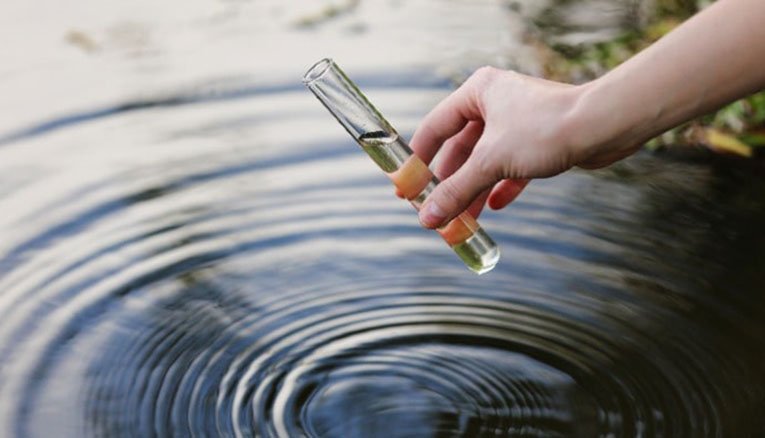
That’s why water testing & analysis is such a valuable first step. Instead of guessing which filter to buy, you can identify the characteristics of your water and make decisions based on evidence.
A basic assessment may examine hardness, pH, iron, and total dissolved solids. More detailed laboratory testing can investigate specific contaminants, including lead, arsenic, nitrates, or harmful bacteria when relevant to the water source and local risks.
The right testing method depends on where your water comes from. Municipal water users can review their supplier’s water quality report, although that report won’t necessarily reveal issues arising inside the property’s own plumbing. Private well owners generally need to arrange their own testing because their supply isn’t routinely monitored by a public water utility.
Home testing kits can be useful for preliminary checks, but they don’t all measure the same things or offer laboratory-level accuracy. If you’re concerned about potentially harmful contamination, use a qualified laboratory and follow its sampling instructions carefully.
One important point: unusual taste or odor doesn’t automatically mean water is unsafe, and pleasant-tasting water isn’t necessarily safe either. Testing helps separate inconvenience from genuine concern.
Recognizing Common Water Problems Around the House
Sometimes the signs are right in front of you. You just need to know what they might mean.
White crust around faucets and showerheads often points to hard water. Calcium and magnesium minerals can accumulate on surfaces, inside pipes, and in water-heating equipment. Over time, this buildup may increase cleaning requirements and affect appliance efficiency.
Reddish-brown stains may indicate iron in the water, while a sulfur-like smell can be associated with hydrogen sulfide. Cloudiness might result from suspended particles or trapped air, although persistent discoloration deserves investigation rather than guesswork.
Taste problems are another common complaint. Chlorine used in municipal disinfection can affect the flavor of drinking water, while certain plumbing materials may contribute metallic notes. The underlying cause matters because each situation calls for a different response.
A simple household observation can help. If the water tastes unusual only at one faucet, the issue might be localized to that fixture or its plumbing. If every tap is affected, the cause could lie farther upstream. Neither observation proves the source, but it gives you a useful place to begin investigating.
Sudden changes deserve particular attention, especially after flooding, plumbing repairs, or disruptions to the public supply. If contamination is suspected, use a known safe alternative for drinking and cooking until the problem has been assessed.
Choosing Solutions That Actually Address the Problem
Once you understand the water’s characteristics, selecting a suitable treatment becomes much easier. There’s no single device that removes every contaminant, and expensive equipment isn’t automatically the best choice.
For hard water, a conventional ion-exchange softener can reduce calcium and magnesium, helping limit scale deposits. Activated carbon filters can improve taste and reduce chlorine, along with certain other substances depending on the product. Reverse osmosis systems can reduce various dissolved contaminants, while ultraviolet treatment can inactivate susceptible microorganisms when properly selected and maintained.
The key is matching the technology to the problem.
Effective problem water solutions are designed around actual test results, household requirements, and the limitations of the available equipment. A softener, for example, isn’t a substitute for disinfection, and a standard carbon filter shouldn’t be expected to remove every harmful chemical.
Think about how the water is used, too. If the concern is limited to drinking water, an under-sink filter may be sufficient. If hardness affects showers, laundry, and several appliances, a whole-house softener could make more sense.
For businesses, the decision may involve additional considerations. Restaurants might need consistent water quality for beverages and food preparation, while hotels may want to reduce scale in laundry equipment and water heaters. Commercial systems should be sized for actual demand, including periods of peak use.
Before purchasing anything, check the manufacturer’s performance claims, replacement-filter costs, maintenance requirements, and relevant independent certifications. A little comparison now can prevent frustration later.
Why Installation Is Just as Important as Equipment
Even an excellent treatment system can disappoint if it’s fitted incorrectly. Poor connections, unsuitable pipework, inadequate drainage, or incorrect settings can affect performance and create avoidable plumbing problems.
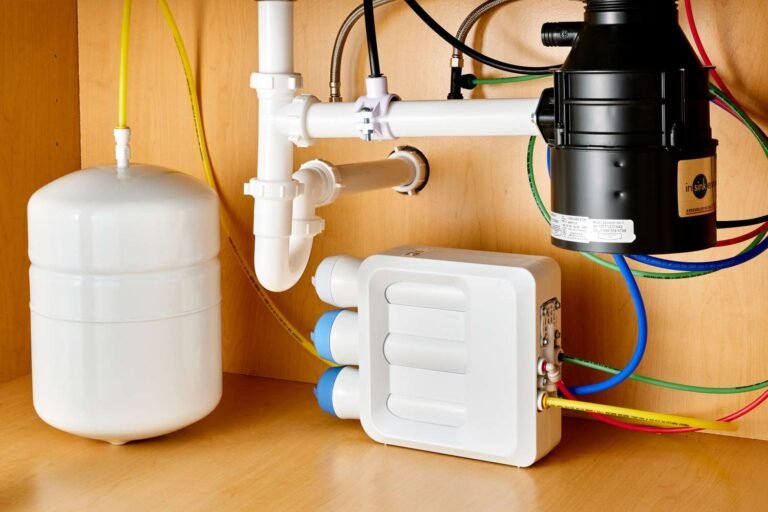
Professional water system installation helps ensure that the equipment fits the property’s plumbing, water pressure, and expected demand. Depending on the system, installation may involve additional valves, drainage connections, electrical supplies, or backflow protection.
This is particularly important for systems connected to the main water line. The installer needs to understand how the equipment affects water flow throughout the property and whether local plumbing requirements or permits apply.
Ask questions before the work begins. Where will the system be installed? How often will it need servicing? Can replacement cartridges be purchased locally? Will the equipment affect water pressure or generate wastewater? Clear answers make it easier to understand what you’re paying for.
It’s also worth checking warranty conditions and the installer’s qualifications. Some manufacturers require specific installation procedures to maintain warranty coverage.
A professional shouldn’t simply recommend the largest system available. They should explain why a particular option fits your needs, what it can realistically achieve, and where its limitations lie.
Don’t Let Maintenance Slip Through the Cracks
Once a treatment system is running, it’s easy to forget about it. Unfortunately, water equipment isn’t something you can always install and ignore.
Filters have limited service lives, softeners may need salt replenishment, and certain treatment systems require periodic cleaning or disinfection. Follow the manufacturer’s maintenance schedule and keep a simple record of replacement dates.
Pay attention to changes in taste, odor, water pressure, or visible deposits. These signs don’t necessarily mean the equipment has failed, but they may indicate that something needs checking.
If you use a private well, regular testing remains important even when a treatment system is installed. Treatment equipment doesn’t eliminate every possible risk, and changing environmental conditions can affect the source water over time.
Likewise, don’t overlook the plumbing itself. Leaking pipes, deteriorating fittings, and poorly maintained storage tanks can introduce problems that filtration alone won’t solve. Water treatment works best when the entire supply system receives reasonable care.
Making a Sensible Long-Term Investment
Water treatment doesn’t have to become an expensive project involving multiple devices and complicated maintenance routines. In many homes, one targeted improvement is enough to address the main concern.
Start with testing, identify your priorities, and compare options based on performance rather than marketing promises. Consider the full cost of ownership, including installation, replacement parts, servicing, and expected equipment lifespan.
For homeowners, that might mean improving drinking-water taste or reducing stubborn mineral deposits. For businesses, it could mean protecting equipment, maintaining consistent operations, and reducing avoidable maintenance expenses.
Ultimately, good water management is about making informed decisions. When you understand what’s in your water, choose treatment that addresses the actual issue, and maintain the equipment properly, you put yourself in a much better position to avoid unnecessary problems.
Water is part of nearly every daily routine, yet it’s easy to overlook until something goes wrong. A little attention at the right time can make it safer to manage, more convenient to use, and far less troublesome in the years ahead.