Water is one of those things we rarely think about until something seems wrong. Maybe your morning tea tastes a little strange, white marks keep appearing on your bathroom taps, or your shower leaves your skin feeling dry. Sometimes, the problem becomes obvious only when a kettle develops a thick layer of mineral deposits or a washing machine starts showing signs of wear.
These everyday frustrations can be connected to water quality. Fortunately, improving the water in your home doesn’t have to be confusing. Once you understand the differences between softening, filtration, and drinking-water treatment, choosing the right solution becomes much easier. The key is to identify what’s actually in your water instead of spending money on equipment you might not need.
Why Water Quality Deserves More Attention
Water travels a long way before reaching your kitchen tap. Depending on its source, it may naturally contain minerals, dissolved salts, sediment, or other substances. Municipal treatment helps control many potential hazards, but the final water quality can still be influenced by local geology, distribution pipes, and plumbing within a property.
Hard water is a common concern in many households. It contains higher concentrations of calcium and magnesium, which can leave chalky deposits on fixtures, reduce soap lather, and accumulate inside water heaters and other appliances. Other households struggle with chlorine odors, metallic tastes, or visible particles.
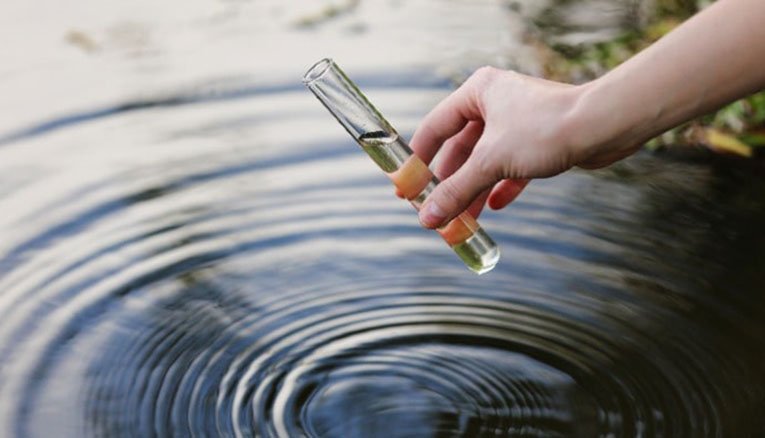
Not every issue is immediately noticeable, either. Water can look perfectly clear and still contain substances that require attention. That’s why a professional water test, or an appropriate certified testing service, is a sensible starting point. Knowing your water’s characteristics helps you choose treatment equipment based on evidence rather than guesswork.
Understanding the Benefits of Water Softeners
If you’ve ever scrubbed stubborn white marks from a shower screen, you already know how frustrating hard water can be. Those deposits often develop when mineral-rich water evaporates and leaves calcium or magnesium behind. Over time, similar buildup can occur inside pipes, fixtures, and water-using appliances.
Water softeners are designed primarily to address this problem. Most conventional models use ion-exchange technology, which replaces hardness minerals with sodium or potassium ions as water passes through a special resin bed. The resin eventually needs regeneration so it can continue removing hardness effectively.
For homeowners, the benefits can be quite practical. Soap may lather more easily, laundry can feel less stiff, and cleaning mineral deposits from taps may become less of a chore. Reducing scale buildup can also help certain appliances operate more efficiently, although the actual results depend on the equipment and the home’s water conditions.
Still, softening isn’t the same as purification. A standard softener doesn’t automatically remove bacteria, viruses, or every dissolved contaminant. It may also increase sodium levels in the treated water, something worth discussing with a qualified professional if sodium intake is a medical concern. Choosing the right system means understanding both its advantages and its limitations.
How Water Filtration Helps Address Different Problems
Not every household needs softer water. Sometimes, the real concern is an unpleasant taste, a chlorine smell, sediment, or a specific contaminant. That’s where filtration becomes useful.
Water filtration covers several technologies, each designed to address particular substances. Sediment filters capture suspended particles such as sand, rust, and debris. Activated carbon filters can reduce chlorine taste and odor, along with certain organic compounds, when the product is appropriately designed and certified.
Other filters use specialized media to target substances such as iron or manganese. These systems can be particularly useful in homes supplied by groundwater, although the right treatment depends on the concentration of contaminants, water chemistry, and the amount of water being used.
The important thing is not to assume that all filters do the same job. A basic sediment cartridge won’t necessarily improve every taste issue, and a carbon filter shouldn’t be expected to remove all dissolved minerals. Before purchasing equipment, check its certified performance claims and make sure they match your water test results.
Filter maintenance matters, too. A clogged cartridge can reduce water flow, while a neglected filter may no longer perform as intended. Following the manufacturer’s replacement schedule helps keep the system working reliably.
Choosing the Right Drinking Water System
The water used for bathing, laundry, and cleaning has different treatment needs from the water you drink every day. Many homeowners therefore choose a separate treatment unit for their kitchen tap.
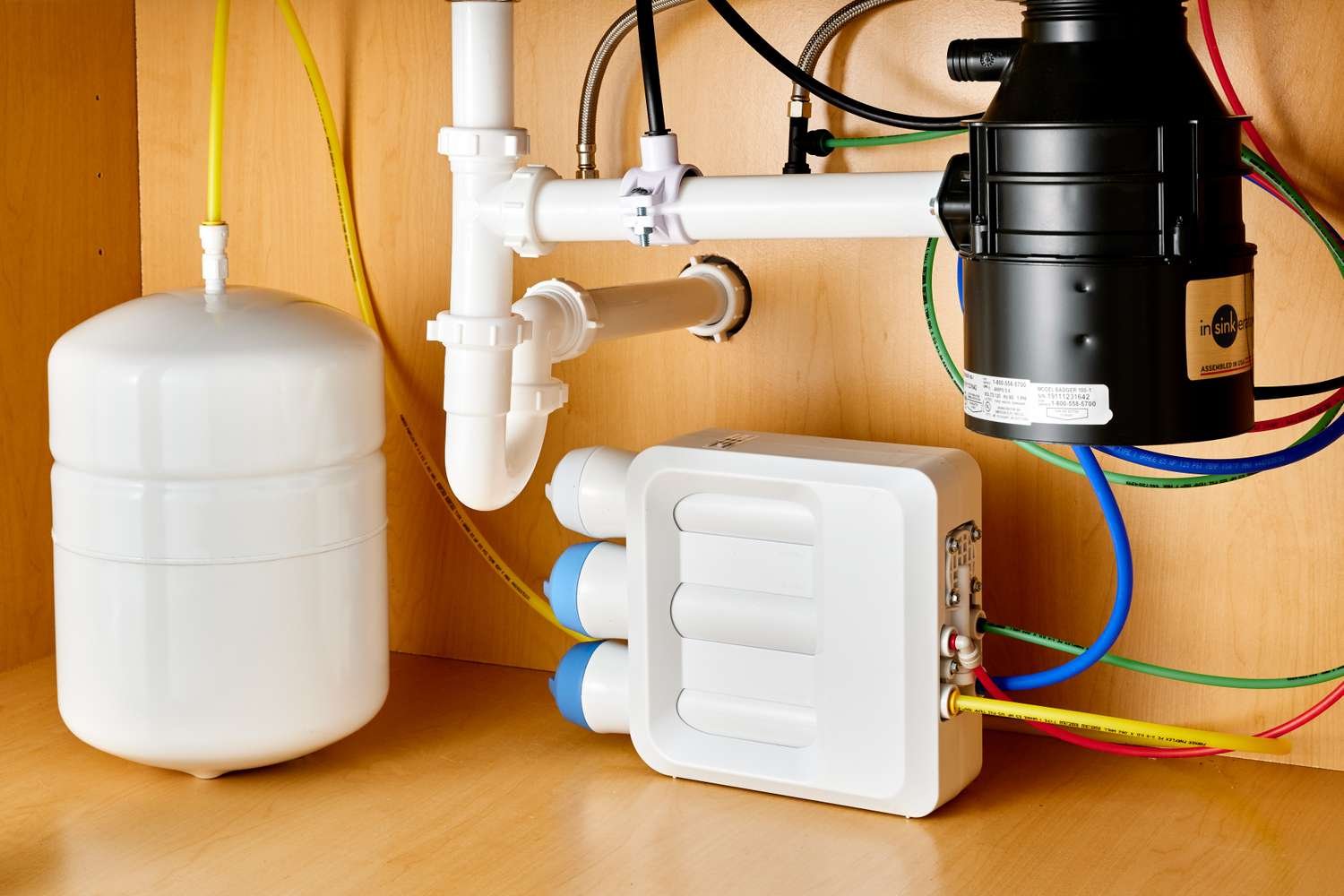
Modern drinking water systems include countertop filters, under-sink carbon units, reverse osmosis equipment, and other technologies designed for specific water-quality concerns. The best option depends on the substances you want to reduce, the available installation space, your budget, and how much drinking water your household uses.
Reverse osmosis, for example, uses a semipermeable membrane to reduce many dissolved substances. Depending on the model and its certification, it may help reduce certain salts, metals, and other contaminants. These systems are useful in some situations, but they typically require periodic membrane and filter replacement and may send some water to a drain during operation.
For households primarily concerned about chlorine taste, a properly certified carbon filter may be a simpler and less expensive option. If testing identifies a specific contaminant, choose equipment certified to reduce that particular substance rather than relying on vague promises about cleaner or healthier water.
Also consider the practical details. Is replacement media easy to find? Will the unit fit beneath your sink? Does it require a dedicated faucet? A system that works well on paper but becomes inconvenient to maintain isn’t always the best long-term choice.
Should You Combine Multiple Treatment Methods?
In some homes, a single treatment device is enough. In others, combining technologies provides a more complete solution.
For instance, a household with hard water and an unpleasant chlorine taste might benefit from a softener for the main plumbing supply and a carbon filter at the kitchen sink. A property with elevated sediment may need a suitable prefilter to protect downstream equipment. Homes with particular dissolved contaminants might require an additional treatment stage selected specifically for those findings.
The order of treatment can matter because certain substances interfere with filtration media or reduce equipment performance. An experienced installer can recommend a sensible arrangement based on test results, water pressure, household demand, and plumbing design.
Avoid buying several products simply because a salesperson suggests that more stages must mean better water. Every additional component brings its own maintenance needs and costs. Effective treatment is about using the right technology, not collecting the most equipment.
Maintenance Makes a Real Difference
Even a well-designed system needs occasional attention. Check for leaks, follow cartridge replacement instructions, and ensure that softener regeneration cycles or backwashing functions operate correctly where applicable. Keep track of service dates so routine maintenance doesn’t slip your mind.
If the water suddenly changes color, develops an unusual odor, or tastes noticeably different, investigate the cause instead of automatically replacing a filter. The issue could involve the water source, plumbing, or a malfunctioning treatment unit. In some situations, further testing is the safest next step.
Private-well owners should pay particular attention to regular testing because groundwater conditions can change. Where microbial contamination is possible, ordinary filtration may not provide adequate protection, and an appropriate disinfection method may be necessary.
Making a Confident Choice for Your Home
Good water treatment begins with a simple question: what problem are you trying to solve? Hardness, unpleasant taste, sediment, and specific contaminants require different approaches, and no single system is ideal for every property.
Start by testing your water, compare equipment based on verified performance, and consider the total cost of installation and ongoing maintenance. Ask questions before committing to a purchase, particularly about replacement parts, water usage, and the contaminants the equipment is designed to reduce.
Clean, dependable water can make everyday life more comfortable, from preparing a cup of coffee to taking a shower after a long day. With the right information and a well-matched treatment system, you can improve your home’s water quality without making the process unnecessarily complicated.