
Designing a home often begins with something simple. A beautiful fabric sample, an interesting piece of furniture, or perhaps a photograph of a room that immediately catches your attention. Before long, those individual ideas develop into a much bigger vision.
Bringing that vision to life, however, is another story.
There are measurements to consider, materials to order, budgets to manage, and countless decisions that influence how everything eventually comes together. Even something as straightforward as replacing a sofa can become complicated when dimensions, delivery schedules, and existing furnishings enter the picture.
A successful interior design experience requires creativity and organization in equal measure. When both work together, the result is a home that feels comfortable, thoughtfully arranged, and genuinely personal.
Creating Harmony Between Interior Design and Furniture
Furniture has an enormous influence on the atmosphere of a home. It determines how people gather, relax, entertain guests, and move through different rooms.
A thoughtful approach to residential interiors and furnishings considers the relationship between architectural features, furniture arrangements, materials, colors, and everyday living requirements.
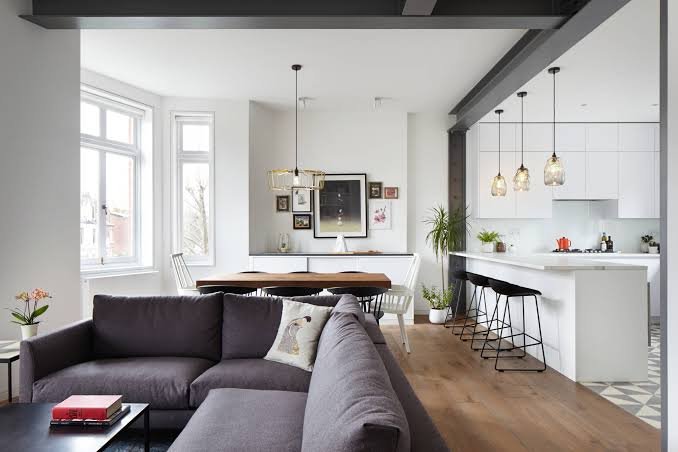
Imagine a living room with beautiful hardwood flooring and generous natural light. Choosing bulky, dark furniture might overwhelm its lighter architectural features. Alternatively, softer upholstery, natural textures, and appropriately sized furnishings could highlight the room’s existing charm.
Comfort matters just as much as appearance.
A dining chair might look elegant, but if nobody wants to sit in it for more than twenty minutes, it probably isn’t the right choice for family gatherings.
Good design recognizes these practical details. The objective is to create surroundings that people enjoy using, not simply looking at.
Keeping the Design Process Organized From the Beginning
Anyone who has undertaken a home renovation understands how quickly small decisions can multiply. Choosing flooring affects furniture selections. Lighting requirements influence electrical work, while cabinetry dimensions may determine which appliances are suitable.
Effective project management helps coordinate these interconnected responsibilities, keeping budgets, schedules, supplier communications, and design decisions organized throughout the process.
Consider a homeowner renovating a kitchen and adjoining dining area. Custom cabinetry, countertops, lighting fixtures, and furniture may come from several different suppliers.
If one delivery is delayed, other activities could be affected.
Maintaining a clear schedule helps everyone understand what needs to happen and when.
It also provides opportunities to identify potential problems before they become expensive mistakes.
Homeowners should have room to enjoy the creative aspects of designing their spaces rather than constantly worrying about delivery dates and contractor arrangements.
Bringing the Design Vision Into the Real World
There’s something particularly satisfying about watching a design concept gradually become a physical space. Furniture arrives, artwork finds its place, and rooms that once felt unfinished begin developing their own personality.
Professional installation involves more than delivering furnishings and placing them in designated corners. It can include furniture assembly, window treatments, decorative lighting, artwork positioning, and careful final styling.
Attention to detail becomes especially important at this stage.
A pendant light positioned too high above a dining table might feel disconnected from the surrounding furniture. A rug that’s slightly too small can make an otherwise attractive seating arrangement appear awkward.
These details aren’t always obvious when viewing drawings or product photographs.
Seeing everything together allows designers and homeowners to make final adjustments that improve the overall balance of the room.
Sometimes, moving a chair just a few inches makes the entire space feel more natural.
Choosing Furnishings That Stand the Test of Time
It’s tempting to become distracted by fashionable furniture and decorating trends. There’s always something new appearing in showrooms, magazines, and online collections.
However, investing in quality foundational pieces often provides greater long-term satisfaction.
A well-crafted dining table, comfortable sofa, or beautifully made cabinet can remain relevant for years, even as decorating preferences change.
Materials deserve careful consideration, particularly in frequently used spaces.
Families with young children may appreciate washable fabrics and durable surfaces. Pet owners might prefer upholstery that’s easier to maintain, while homeowners who enjoy entertaining could benefit from flexible seating arrangements.
Natural wood, linen, wool, and stone can introduce texture and character without making a room feel overly decorated.
And don’t be afraid of materials that develop a little character with age. A home doesn’t have to remain completely untouched to look beautiful.
Making Every Room Feel Connected Without Looking Identical
Creating a cohesive home doesn’t mean every room needs matching furniture or identical paint colors.
In fact, too much repetition can remove some of the individuality that makes interiors interesting.
Instead, look for subtle connections. A particular wood finish might appear in several rooms, while complementary colors or similar textures create a sense of continuity.
Bedrooms can feel peaceful and understated, whereas living areas might incorporate richer tones and more expressive decorative elements.
Each room should have enough personality to stand on its own while still feeling connected to the rest of the home.
This balance becomes particularly important in open-plan properties, where several functional areas are visible at once.
Thoughtful furniture placement, lighting, and area rugs can help define individual spaces without creating unnecessary visual barriers.
Leaving Room for the Personal Details
A professionally designed interior shouldn’t feel impersonal.
Family photographs, treasured books, inherited furniture, and souvenirs collected during travels often bring more warmth to a room than expensive decorative accessories.
These objects tell stories. They remind people of meaningful experiences and make an interior feel connected to the lives unfolding within it.
Leave some room for those details to develop naturally over time.
A Finished Home Is Really a New Beginning
The completion of an interior design project marks the beginning of countless everyday experiences. Quiet mornings, lively dinners, lazy weekends, and unexpected visits from friends.
Thoughtful furnishings, careful coordination, and attention to finishing details help create the setting for those moments.
Ultimately, the greatest achievement in residential design isn’t producing a picture-perfect interior. It’s creating a place where life feels comfortable, familiar, and beautifully your own.