Most homeowners don’t wake up thinking about their water. It’s just there, running from the tap, filling the kettle, washing the plates, keeping the shower going in the morning rush. You turn the handle, water comes out, life moves on. Simple enough.
But water has a funny way of speaking up when something isn’t right. Not loudly, of course. More like little hints. A chalky ring around the faucet. A rusty-looking mark in the toilet bowl. Glasses that never look fully clean, even after a hot dishwasher cycle. Maybe your hair feels dull after washing, or your skin feels a bit tight and dry. Nothing dramatic at first, but still, annoying.
These small signs are often connected to what’s actually in your water. And once you start noticing them, it becomes hard to ignore.
The Problem Usually Starts Quietly
Water can look perfectly clear and still carry minerals, metals, chemicals, or sediment. That’s what makes household water problems tricky. You may not see anything floating in the glass, yet your plumbing, fixtures, appliances, and even laundry could be dealing with the effects every single day.
One of the most common problems is scale buildup, especially in areas with hard water. It happens when minerals like calcium and magnesium collect on surfaces over time. At first, it may look like a white film on faucets or shower doors. Later, it can show up inside pipes, water heaters, coffee makers, dishwashers, and washing machines.
And scale is stubborn. You scrub it, it comes back. You replace a showerhead, the new one starts clogging too. It’s not because the home is dirty; it’s because the water is leaving mineral deposits behind again and again.
Why Hard Water Feels Like a Daily Nuisance
Hard water isn’t always dangerous to drink, but it can be a real pain around the house. Soap doesn’t lather as nicely. Shampoo feels like it takes longer to rinse out. Towels may become rough faster than they should. Even clean dishes can come out with spots that make them look half-washed.
Then there’s the appliance side of things. A water heater working through mineral buildup often has to work harder to heat the same amount of water. That may affect efficiency and, over time, shorten the life of the unit. Dishwashers and washing machines can also struggle when minerals collect inside them.
It’s one of those problems people learn to live with until they finally fix it. Then suddenly they notice the difference everywhere — softer laundry, cleaner fixtures, better showers, less scrubbing. Funny how much water affects the rhythm of a home.
Those Rusty Marks Are Trying to Tell You Something
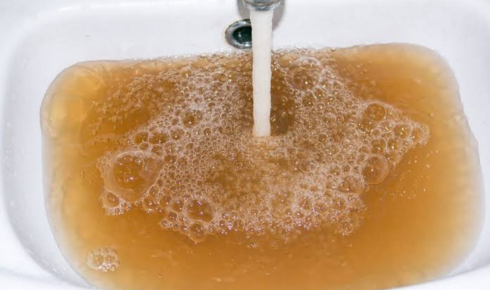
Brown, orange, or reddish stains are another sign worth paying attention to. These marks often appear in sinks, tubs, toilets, and sometimes on laundry. They may come from iron in the water, older pipes, or corrosion somewhere in the plumbing system.
Homeowners often deal with staining issues by buying stronger cleaners, and sure, that might help for a few days. But if the water itself is causing the stains, cleaning alone won’t solve the problem. The marks will keep returning because the source is still flowing through the tap.
Iron stains can be especially frustrating on white fixtures and clothing. A freshly cleaned bathroom can look neglected again in a week. White shirts may come out slightly yellowed or dingy. Even outdoor sprinklers using iron-rich water can stain driveways, siding, or walkways.
That’s why testing matters. Without knowing what’s in the water, you’re mostly guessing.
Taste, Smell, and the Little Things People Notice
Not every water issue leaves a visible mark. Some show up through taste or smell. A metallic taste may suggest iron, copper, or other metals. A rotten egg smell may point toward sulfur compounds. A strong swimming-pool scent can be linked to chlorine used in municipal treatment.
Sometimes the concern is less about safety and more about comfort. Nobody wants tea that tastes strange or ice cubes that smell like chemicals. Cooking can also be affected. Rice, pasta, soups, and coffee all absorb water, so poor-tasting water can quietly change the flavor of meals.
For families trying to drink more water at home, taste matters a lot. If tap water is unpleasant, people usually avoid it or buy bottled water, which gets expensive and wasteful pretty quickly.
Water Quality Is Bigger Than One Symptom
Good water quality is not only about whether water is safe enough to drink. It’s also about how it behaves throughout the home. Does it protect plumbing? Does it rinse cleanly? Does it taste fresh? Does it help appliances run properly instead of wearing them down?
That bigger picture is important because water problems often overlap. A home may have hardness minerals plus iron. Another may have chlorine taste plus sediment. A private well may test fine one year and change the next because groundwater conditions shift.
This is why one-size-fits-all filters can disappoint. A basic pitcher filter might improve taste but do nothing for iron stains. A softener may help hard water but may not remove certain odors. A sediment filter may catch particles but won’t correct pH imbalance.
The right solution depends on the actual problem.
Testing Comes Before Treatment
It’s tempting to buy something fast when water problems become annoying. A filter here, a cleaner there, maybe a new showerhead. But the smarter first step is usually a proper water test.
Testing gives you real numbers instead of assumptions. It can show hardness levels, iron content, chlorine presence, pH, total dissolved solids, and other concerns depending on the type of test used. For private wells, regular testing is even more important because there is no municipal system checking the water before it reaches the home.
Once the results are clear, treatment becomes much easier to choose. Hardness may call for a water softener. Iron may need specialized filtration. Chlorine taste may improve with carbon filtration. Sediment may need a whole-home filter. Some homes may need a combination system, while others only need a small adjustment.
A Cleaner Home Starts at the Tap
Water problems don’t always feel urgent, but they slowly create extra work. More scrubbing. More appliance wear. More bottled water. More frustration over laundry, dishes, and fixtures that never seem quite right.
The good news is that most common household water issues can be understood and managed once you know what you’re dealing with. You don’t have to guess based on stains, smells, or cloudy glasses forever.
Your water may be leaving clues all around the house. Paying attention to them early can save money, protect your plumbing, and make daily routines feel just a little easier. And honestly, that’s what good home care often comes down to — noticing the small things before they become expensive ones.