Key Takeaways
- Set clear home-buying priorities before viewing properties.
- Create a budget that includes all ownership costs.
- Review your credit, savings, and loan options early.
- Compare Wichita Falls neighborhoods based on your daily needs.
- Inspect property conditions beyond cosmetic features.
- Review offer terms, contingencies, and deadlines carefully.
- Complete due diligence before closing and plan for first-year expenses.
Buying a home in Wichita Falls is more manageable when the search begins with a plan instead of a listing alert. Local choices can look very different depending on commute routes, home age, lot size, neighborhood character, and the amount of maintenance a buyer is prepared to handle. For guidance tailored to North Texas buyers, the Wichita Falls, TX, real estate experts Bishop Realtor Group offer property search tools, buyer resources, and local representation across Wichita Falls, Iowa Park, Burkburnett, and nearby communities. Bishop Realtor Group brings more than three decades of North Texas real estate experience, helping buyers connect financial priorities with practical details that matter after move-in day.
Set Clear Goals Before Looking at Homes
Before touring homes, identify why you want to move and what you need the next home to accomplish. A growing household, a shorter commute, room for hobbies, a smaller yard, or a longer-term investment can each lead to a different search strategy. Write down three must-haves, three nice-to-haves, and three deal breakers. For example, a garage may be essential, while new countertops may be a nice extra. Clear priorities make it easier to compare homes fairly and avoid letting one attractive feature outweigh daily-life concerns.
Build a Budget Around Monthly Comfort
The purchase price is only one part of homeownership. A realistic monthly estimate should include principal and interest, property taxes, homeowners insurance, utilities, routine maintenance, and any association fees. Choose a payment range that leaves room for savings, transportation, food, family expenses, and ordinary surprises.
- Estimate your take-home income.
- List recurring debt payments and essential household expenses.
- Set aside money for repairs and emergencies.
- Estimate the full monthly housing cost, not just the mortgage payment.
- Select a price range that still supports your lifestyle.
Test the plan against less convenient scenarios, such as a higher insurance renewal, a repair soon after closing, or a temporary reduction in income. A budget with breathing room can make ownership feel more stable.
Review Credit, Savings, and Debt Early
Begin preparation months before you expect to make an offer. Review your credit reports for potential errors, pay bills on time, and avoid taking on new major debt as you prepare for a mortgage application. Buyers should also save for more than a down payment, including inspections, appraisal-related costs, closing costs, movers, utility deposits, and early repairs. The Consumer Financial Protection Bureau’s homebuying resources can help buyers understand loan estimates, closing disclosures, and the questions to ask before choosing a mortgage.
Compare Loan Options With a Qualified Professional
A pre-approval is more useful than a rough online calculator because it is based on financial documentation reviewed by a lender. Compare loan programs, interest rates, lender fees, points, mortgage insurance requirements, and the expected cash needed at closing. The lowest advertised rate does not automatically mean the lowest overall borrowing cost.
Questions to Ask a Lender
- What is the estimated all-in monthly payment?
- How much cash should I expect to bring to closing?
- How could property taxes or insurance affect the payment?
- Which documents will underwriting require?
- When does the pre-approval expire?
Study Wichita Falls Neighborhoods Before Touring
National housing headlines cannot explain every block in Wichita Falls. Compare several neighborhoods based on your own priorities, including access to work, schools, parks, shopping, traffic patterns, lot sizes, and the age and condition of nearby homes. A home that fits the budget may still be the wrong fit if its location creates a difficult routine. For any property, review available disclosures and consider environmental factors that could affect ownership. Checking official flood map information is one practical step when evaluating location, insurance questions, and drainage considerations.
Create a Home Tour Scorecard
A written scorecard prevents the details of several showings from blending. Take notes immediately after each visit and rate the home on the factors that affect everyday use and future value.
- Location, commute, and nearby traffic
- Layout, usable square footage, storage, and parking
- Condition, visible repairs, and maintenance needs
- Noise, natural light, drainage, and outdoor space
- Estimated monthly ownership cost
- Long-term resale appeal
Look Beyond Surface-Level Features
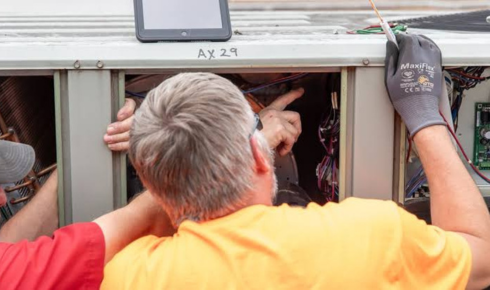
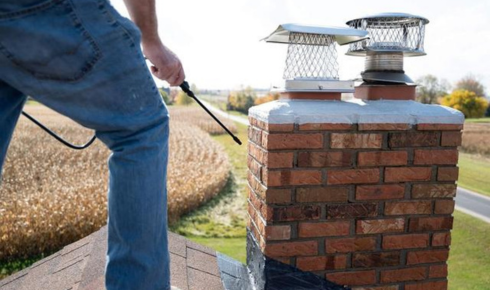
Fresh paint and updated finishes can be appealing, but buyers should also observe the practical systems. During a tour, look at the roofline, HVAC equipment, electrical panel, plumbing fixtures, windows, drainage, foundation signs, water pressure, and major appliances. Notice moisture marks, unusual odors, limited storage, or areas that seem difficult to maintain. A professional inspection is an important due-diligence step, but it does not replace careful observation. If a concern is visible during a showing, ask about it early and keep it in your notes.
Prepare a Flexible Offer Strategy
A strong offer involves more than price. Earnest money, financing terms, inspection or option periods, contingencies, repair requests, appraisal considerations, and the proposed closing date can all affect the seller’s response. Decide your maximum comfortable price before negotiations begin, then avoid stretching beyond it because of competition or emotion.
Review These Questions Before Submitting an Offer
- Does the price fit the complete monthly and upfront budget?
- Are the inspections and protections that matter included?
- Is the closing timeline realistic for all parties?
- What is the plan if the appraisal is lower than the contract price?
- Which terms may be especially important to the seller?
Use Due Diligence to Reduce Surprises
An accepted offer begins another phase of work. Inspections, appraisal, title review, insurance planning, underwriting, and document deadlines must all be addressed. Financing changes, missing paperwork, inspection discoveries, title questions, and appraisal differences can affect a transaction. Read deadlines carefully, provide lender documents promptly, and ask for clarification whenever a contract term is unclear.
Plan for the First Year of Ownership
Keep cash available after closing. In the first year, prioritize safety concerns, urgent repairs, seasonal maintenance, and emergency savings before major cosmetic projects. Create a home file for inspection reports, warranties, appliance manuals, insurance details, service receipts, and improvement records.
Common Questions Buyers Ask
Is 2026 a Good Year to Buy a Home?
The right time depends on your finances, local options, loan terms, and how long you expect to own the property. Personal readiness matters more than trying to predict a perfect market moment.
How Much Should a Buyer Save?
Plan for the down payment, closing expenses, inspections, moving costs, and a reserve for early ownership needs. The amount varies with the loan program and your financial situation.
Should I Get Pre-Approved Before Touring?
Yes. Early pre-approval clarifies the price range, identifies documentation needs, and helps you move more efficiently when the right home appears.
A Simple Home-Buying Timeline
- Six to twelve months before buying: Review credit, reduce avoidable debt, save, and define priorities.
- Three to six months before buying: Compare lenders, study neighborhoods, and request pre-approval.
- One to three months before buying: Tour homes, use a scorecard, and refine your budget.
- After an offer is accepted: Complete inspections, appraisal, underwriting, and every contract deadline.
- Before closing: Confirm funds, review final documents, arrange insurance and utilities, and complete the final walkthrough.
Closing Perspective
A smart Wichita Falls home-buying plan does not require perfect timing or the ability to predict every change in the housing market. Instead, it depends on honest budgeting, clearly defined priorities, careful research, and consistent preparation throughout the process. Buyers should take time to understand their financial limits, compare mortgage options, explore different neighborhoods, and evaluate each property’s condition before committing. Partnering with knowledgeable local real estate agents can help buyers understand their choices, navigate each stage of the purchasing process, and get answers to important questions. From the first property tour to submitting an offer, completing inspections, and preparing for closing, staying organized can help prevent rushed decisions and unnecessary stress. It is equally important to leave room in the budget for moving expenses, immediate repairs, and unexpected costs after taking ownership. By approaching each stage with patience and realistic expectations, buyers can make more confident choices and find a Wichita Falls home that supports their daily routines, financial situation, and long-term plans well beyond the excitement of moving day.