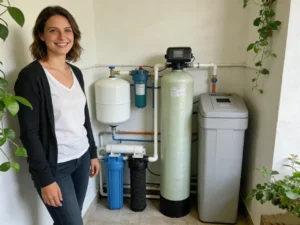

Why Water Matters in Everyday Operations
Water is one of those things most businesses depend on without talking about it much. It runs through kitchens, bathrooms, coffee machines, ice makers, cleaning stations, boilers, laundry areas, and sometimes even production equipment. When it works well, nobody notices. When it does not, everyone feels it.
A bad taste in drinks, cloudy ice, scale on equipment, stained fixtures, or inconsistent cleaning results can slowly affect customer experience and daily workflow. These are small issues at first, but in a busy business, small issues can become expensive very quickly.
Restaurants Need Reliable Water
Food service businesses depend heavily on water quality. Drinks, ice, soups, sauces, dishwashing, steam equipment, and sanitation all rely on the same basic resource.
Well-designed restaurant water systems can help improve taste, protect equipment, and support consistency across the kitchen. A café may need better water for coffee and ice, while a full-service restaurant may need filtration for dish machines, beverage stations, and cooking equipment.
The right setup depends on water testing, kitchen layout, and daily demand.
Different Businesses, Different Needs
A restaurant is not the same as a hotel. A salon is not the same as a medical office. A manufacturing facility has different water needs from a small office building.
That is why business water solutions should be planned around real usage, not generic assumptions. Some companies need filtration. Others need softening, reverse osmosis, scale control, sediment reduction, or a combination of treatments.
A practical system should solve the problems the business actually faces, without adding unnecessary cost or complexity.
Keeping Water Supply Consistent
For many operations, a clean water supply is not just about comfort. It supports safety, quality, efficiency, and professionalism. Staff can work better when water-dependent systems perform reliably. Customers notice cleaner drinks, brighter glassware, fresher restrooms, and smoother service.
Water quality also affects equipment life. Machines exposed to hard minerals, sediment, or chlorine may require more maintenance over time. Better water can help reduce that strain.
Testing Before Installing
The smartest first step is water testing. It gives a clear picture of what is in the water and what needs to be treated.
Without testing, businesses may buy equipment that looks useful but misses the real issue. A test can reveal hardness, sediment, chlorine, odors, iron, dissolved solids, or other concerns depending on the source.
Once the results are clear, the system can be designed with purpose.
Installation and Maintenance Matter
Commercial water systems need proper installation. Flow rate, pressure, pipe size, drain access, equipment connections, and service space all matter.
Maintenance is just as important. Filters need replacing. Softeners need salt. RO membranes and other components may need routine checks. A neglected system can lose performance and bring old problems back.
A simple service plan keeps water quality steady and helps avoid surprise downtime.
A Quiet Investment That Pays Off
Better water may not be the flashiest business upgrade, but it supports many things that matter. It can improve beverages, protect equipment, support cleaning, and create a better experience for customers and staff.
When water is reliable, operations feel smoother. Problems are fewer. Equipment works with less strain. And the business can focus on serving people instead of fighting preventable water issues.
Good water works quietly, but its value shows up every day.
Useful home improvement reads
- Why Professional Electrical Services Matter More Than Ever for Modern Homes and Businesses
- Why Better Water Starts with Understanding What Flows Through Your Home
- Why Smart Exterior Upgrades Can Transform the Way You Feel About Your Home
- A More Comfortable Home Starts With the Systems You Barely Notice