A comfortable home is rarely about one big thing. It is usually a collection of small, quiet details working together. The room feels warm on a cold morning. The air does not feel heavy or stale. The temperature stays steady even when the weather outside is being dramatic, as it often does.
Most people do not think about comfort systems every day, and that is fair. Nobody wakes up excited to inspect ductwork or check filters. But the systems behind the walls, vents, and utility rooms have a real impact on how a home feels, how much energy it uses, and how healthy the indoor environment can be.
Comfort Is More Than Temperature
When people talk about home comfort, they often focus only on temperature. Is the house warm enough? Is it cool enough? Those are important questions, of course, but comfort goes deeper than that.
Humidity, airflow, ventilation, filtration, and system efficiency all play a role. A room can technically be the right temperature and still feel uncomfortable if the air is too dry, too damp, or poorly circulated.
That is why modern heating and air conditioning systems are not just about blowing warm or cool air into a room. They are part of a larger comfort strategy that helps create a more balanced indoor environment.
The Value of Proper System Design
A powerful system is not always the right system. In fact, equipment that is too large or too small for a home can create more problems than it solves. Oversized units may cycle on and off too quickly, causing uneven temperatures and extra wear. Undersized units may run constantly and still fail to keep up.
Good system design starts with understanding the property itself. Square footage matters, but so do insulation, window placement, ceiling height, sun exposure, and how the family actually uses the space.
A professional assessment can help match the equipment to the home, rather than forcing the home to adapt to the wrong equipment.
Air Quality Deserves More Attention
It is easy to assume that outdoor air is the main concern when it comes to pollution. But indoor spaces can also collect dust, allergens, pet dander, cleaning chemical residue, moisture, and other particles that affect daily comfort.
Improving indoor air quality can make a noticeable difference, especially for families with allergies, asthma, pets, young children, or older adults. Better filtration, regular maintenance, humidity control, and proper ventilation all help create cleaner, fresher air inside the home.
Sometimes the improvement is subtle at first. Less dust on surfaces. Fewer musty smells. Better sleep. Fewer complaints about stuffy rooms. Those small changes add up.
Maintenance Is Not Just a Seasonal Chore
Many homeowners only think about their comfort system when the season changes. They turn on the heat, switch to cooling, and hope everything works. That approach works until it does not.
Routine maintenance helps prevent breakdowns, keeps energy use under control, and extends system life. A technician can clean components, check electrical connections, inspect refrigerant levels, test controls, and spot early signs of trouble.
Skipping maintenance may save a little money in the moment, but it can lead to higher repair bills later. It is one of those practical habits that does not feel urgent until something goes wrong.
Energy Efficiency and Long-Term Savings
Energy-efficient systems can reduce monthly bills while improving comfort. But efficiency is not just about buying newer equipment. It also depends on proper installation, clean filters, sealed ducts, correct thermostat settings, and regular service.
Even a high-efficiency unit can waste energy if the rest of the system is poorly maintained. On the other hand, small upgrades and better habits can help an existing system perform better than expected.
Homeowners who look at the full picture usually make smarter decisions and avoid spending money in the wrong place.
Thinking Beyond Traditional Systems
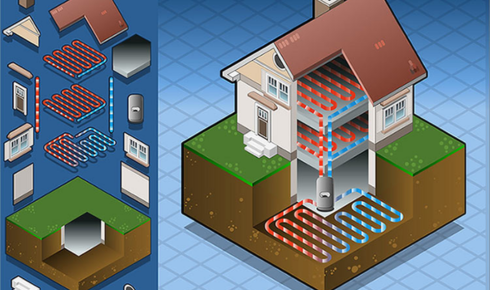
Some homeowners are exploring alternatives that offer long-term efficiency and environmental benefits. One option is geothermal, which uses the stable temperature underground to help heat and cool a home more efficiently.
It is not the right fit for every property, and installation can require a larger upfront investment. Still, for suitable homes, it can provide strong performance, lower operating costs, and a quieter comfort experience over time.
The important thing is to compare options honestly, based on the home, budget, climate, and long-term goals.
Choosing the Right Service Partner
A good comfort system needs more than quality equipment. It needs proper installation, honest guidance, and dependable service after the job is done.
The right professionals will explain options clearly, answer questions without pressure, and recommend solutions that actually fit the home. They should also help homeowners understand maintenance needs, warranty details, and ways to improve comfort without unnecessary upgrades.
That kind of support makes the whole process easier, especially for people who do not want to become HVAC experts just to make a smart decision.
Final Thoughts
Home comfort is something people feel before they think about it. A steady temperature, clean air, quiet operation, and reasonable energy bills all contribute to a house that simply feels better to live in.
The best systems do their work quietly. They support daily routines, protect indoor comfort, and help families feel at ease through changing seasons. And while they may not be the most glamorous part of a home, they are definitely among the most important.