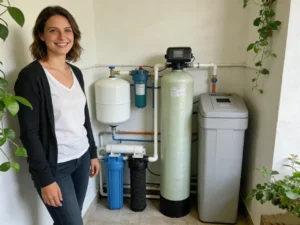

Clean water is one of those everyday comforts that quietly shapes a home. You notice it when coffee tastes right, when the shower feels fresh, when laundry comes out softer, and when glasses dry without those cloudy little marks. But most of the time, when everything is working, nobody really thinks about the system behind it. That is probably how it should be.
Still, water treatment equipment does not look after itself forever. It works day after day, often without complaint, handling minerals, sediment, chlorine, odours, hardness, and whatever else is moving through the supply. Over time, filters get tired. Valves wear. Settings need checking. Parts collect buildup. Nothing dramatic at first, usually. Just small changes that slowly affect comfort and performance.
That is why caring for a water system is not only about repairs. It is about keeping good water good.
Why Water Systems Need Regular Attention
Every home has different water demands. A busy family using showers, dishwashers, washing machines, and drinking water systems all day will put more pressure on equipment than a smaller household. Well water may bring one set of issues. City water may bring another. Even seasonal changes can affect what a system has to manage.
This is where routine maintenance becomes so useful. It keeps the equipment checked, cleaned, adjusted, and ready to perform properly. Instead of waiting until something stops working, maintenance helps catch small problems early. A clogged filter, weak flow rate, tired seal, or incorrect setting can often be corrected before it causes bigger trouble.
It is a bit like servicing a car. You do not wait for smoke under the bonnet before changing the oil. At least, hopefully not.
Small Problems Rarely Stay Small
Water issues can be sneaky. A faint smell might come and go. Pressure may drop slightly, then seem normal again. The softener may use more salt than usual. The drinking water may taste just a little different. These things are easy to ignore because life is full of more urgent distractions.
But inside the system, those small signs can point to wear, blockages, mineral buildup, or failing components. If they are left too long, the system may start working harder than it should. That extra strain can shorten equipment life and affect water quality throughout the home.
A small filter change today is usually much easier than a rushed repair later. Not always, but often enough to make regular checks worthwhile.
Protecting More Than Just the Water
A well-maintained water system does more than improve taste or reduce scale. It also helps support the wider home. Hard water can leave minerals inside water heaters, dishwashers, washing machines, taps, showerheads, and pipes. Sediment can reduce flow and make appliances work harder. Poor filtration can affect comfort, smell, and confidence in daily water use.
When you care for the system properly, you help protect your investment in the equipment and in the home itself. Water treatment is not usually a small purchase, so it makes sense to keep it running at its best for as long as possible.
There is also the simple comfort factor. Better water makes daily routines feel smoother. Showers feel cleaner. Dishes look better. Appliances face less stress. It is not flashy, but it matters.
What Maintenance Usually Includes
Water system maintenance does not have to be complicated for the homeowner. A professional visit may include water testing, filter replacement, checking pressure, inspecting valves, reviewing softener settings, cleaning components, and looking for leaks or signs of wear. For reverse osmosis systems, membranes and cartridges may need checking. For UV systems, lamps and sleeves may need attention.
The exact service depends on the system. That is important, because not every setup is built the same way. A whole-home filtration system, water softener, drinking water unit, and well water treatment system all have different needs.
Good maintenance is not a one-size-fits-all checklist. It should be based on the equipment, local water quality, and actual household usage.
Why Professional Help Makes a Difference
Some tasks are simple enough for homeowners. Checking salt levels, keeping the area around the equipment clear, and watching for changes in water quality are all helpful habits. But deeper inspections need experience. Water systems involve pressure, flow rates, seals, electrical controls, cartridges, resin, membranes, and sometimes more complex treatment stages.
An expert service team can spot things that are easy to miss. They can explain whether a part is wearing out, whether the settings are correct, and whether the system is still matched to the home’s needs. More importantly, they can explain it in plain English, without making the homeowner feel lost in technical language.
That kind of support builds trust. Nobody wants vague answers when water quality is involved.
The Real Value Is Peace of Mind
A reliable water system should feel almost invisible. You turn on the tap and get clean, pleasant water. You run the dishwasher without worrying about cloudy glasses. You shower without that dry, tight feeling on your skin. You use appliances without constantly thinking about mineral buildup.
Maintenance helps create that peace of mind. It reduces surprises, improves consistency, and gives homeowners a clearer idea of what condition their system is in. There may still be repairs from time to time, of course. Equipment ages. Parts fail. That is normal. But planned care usually makes those moments less stressful.
Good Water Deserves Good Care
It is easy to take clean water for granted, especially when the system is doing its job quietly. But the truth is, good water depends on steady care. Not overthinking. Not constant worry. Just sensible attention at the right times.
A water system is there to make life easier, healthier, and more comfortable. Looking after it helps keep those benefits flowing year after year. And in a home full of busy mornings, laundry loads, showers, cooking, cleaning, and everything in between, that quiet reliability is worth holding onto.