Water is one of those things people rarely think about until it starts causing problems. A strange taste in the kitchen tap, cloudy glasses from the dishwasher, dry skin after showers, or equipment breaking down faster than expected — usually that’s when attention shifts toward what’s actually flowing through the pipes every day.
And honestly, it’s understandable. Water quietly touches almost every part of life. We drink it, cook with it, clean with it, and rely on it in ways we barely notice until something feels off.
Over the last few years, both homeowners and businesses have started taking water concerns more seriously. Not because of panic or trends, but because people are realizing how much comfort, efficiency, and long-term maintenance depend on having reliable water systems in place.
Water Problems Often Start Small
The interesting thing about water issues is that they usually creep in gradually. Hard water stains appear around faucets. Soap doesn’t rinse properly. Coffee tastes slightly different. Towels feel rough even after washing them carefully.
Most people ignore these things at first.
But over time, small annoyances turn into bigger frustrations. Mineral buildup can shorten the lifespan of appliances. Sediment may clog plumbing fixtures. Poor tasting water pushes families toward expensive bottled alternatives. For businesses, inconsistent water conditions can even affect customer experiences and operational costs.
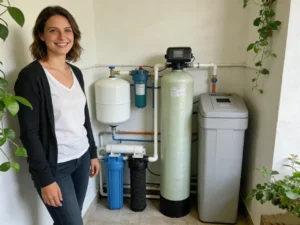
That’s why more homeowners are investing in residential water treatment systems designed to improve water quality throughout the house rather than only filtering drinking water at one faucet.
And once those systems are installed, many people notice changes they didn’t fully expect — softer laundry, cleaner dishes, smoother skin, and appliances running more efficiently.
Sometimes the improvements feel subtle at first. Then suddenly you realize you don’t want to go back.
Businesses Depend on Reliable Water Too
While homeowners often focus on comfort and convenience, businesses usually approach water from a slightly different angle. Restaurants, hotels, medical facilities, manufacturing operations, and office buildings all depend heavily on consistent water conditions.
Imagine a café trying to serve quality coffee using mineral-heavy water that changes the taste every day. Or a hotel constantly replacing fixtures because of scale buildup and corrosion. Even laundromats and salons can struggle when untreated water starts affecting machines and service quality.
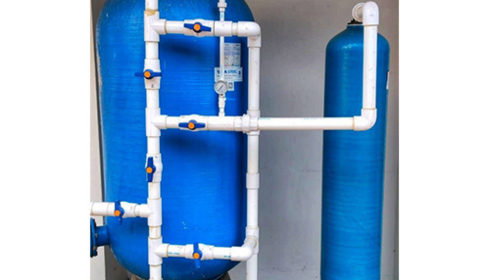
That’s where commercial water treatment becomes important. Businesses often need customized systems capable of handling larger volumes of water while addressing very specific challenges tied to their industry.
And unlike residential systems, commercial setups are usually designed with efficiency, compliance, and operational reliability in mind. When water issues disrupt a business, the financial consequences can add up surprisingly fast.
In many industries, good water isn’t just about comfort anymore — it directly impacts reputation and daily performance.
Not All Water Conditions Are the Same
One common misconception is that all water problems have the same solution. They don’t.
Some areas deal with extremely hard water loaded with calcium and magnesium. Other regions struggle with chlorine-heavy municipal supplies, sulfur smells from wells, sediment, iron staining, or fluctuating pH levels. Even neighboring communities can have dramatically different water conditions.
That’s why proper testing matters before installing any treatment equipment.
A professional analysis helps identify the actual source of the problem instead of relying on guesswork. Sometimes homeowners assume they need a complicated filtration system when a simpler softening solution would work perfectly. Other times, hidden contaminants require more advanced treatment than expected.
Understanding local water quality conditions allows people to make smarter long-term decisions instead of wasting money on systems that don’t truly solve the issue.
Water Impacts More Than Health Alone
Most conversations about water focus heavily on drinking safety, which obviously matters. But water quality also affects comfort, maintenance costs, and overall quality of life in ways people often underestimate.
Take plumbing systems, for example. Mineral buildup inside pipes slowly reduces efficiency and water pressure over time. Water heaters work harder when sediment accumulates in the tank. Dishwashers and washing machines experience additional wear. Fixtures lose their finish faster.
Then there are the smaller everyday frustrations — soap scum, spotty glassware, stiff laundry, dry hair, or skin irritation after bathing.
None of these problems sound dramatic individually. But together they quietly shape how comfortable a home or business feels day to day.
More People Are Thinking Long-Term
There’s definitely been a shift in mindset lately. Homeowners and business owners alike are becoming more proactive instead of waiting for obvious failures before addressing water concerns.
Part of that comes from rising awareness. Part comes from experience.
People are realizing that investing in proper treatment systems now can help avoid expensive repairs, appliance replacements, and ongoing frustrations later. It’s less about luxury and more about practicality.
And interestingly enough, once people experience cleaner, softer, more reliable water, they tend to notice the difference almost immediately. Coffee tastes better. Showers feel more refreshing. Equipment performs more consistently. Cleaning takes less effort.
Those everyday improvements may seem small on paper, but they add up in a meaningful way over time.
At the end of the day, water is one of the few things every home and every business depends on constantly. When it works well, nobody thinks about it. But when it doesn’t, it affects nearly everything around it.
That’s probably why better water systems no longer feel optional for many people. They’ve simply become part of creating healthier, more efficient, and more comfortable spaces to live and work in.