Key Takeaways
- Cooler fall weather can push insects and rodents to seek protected indoor spaces.
- Sealing gaps around doors, windows, foundations, utility lines, and vents is one of the most effective prevention steps.
- Food crumbs, moisture, leaf piles, cardboard, and clutter can make a Chicago home more attractive to pests.
- Different pests require different responses, so identify the problem before selecting a treatment.
- Persistent sightings, droppings, odors, or damage may indicate a hidden issue that requires professional attention.
Fall in Chicago brings cooler nights, windy lakefront weather, and a familiar shift in pest activity. As outdoor shelters become less reliable, insects and rodents may move closer to houses, garages, garden units, and apartment buildings in search of warmth and protected hiding places. A few preventive repairs completed before winter can make a meaningful difference.
If you continue to see pests after addressing obvious gaps and sanitation issues, a professional pest control company can provide an inspection and targeted next steps. Pointe Pest Control, for example, provides local pest management services for recurring problems involving hard-to-reach spaces such as attics, wall voids, crawl spaces, or attached garages. Homeowners looking for Chicago exterminators can find services that address common household pests, rodents, bed bugs, mosquitoes, and termites for residential and commercial properties throughout the Chicago area, Illinois, and Indiana.
Why Fall Sends Pests Toward Chicago Homes
A home can offer the things pests look for when temperatures begin to fall: shelter, warmth, moisture, food, and quiet areas where they can remain undisturbed. Spiders may become more noticeable in basements and storage areas. Asian lady beetles and brown marmorated stink bugs may gather on sunny exterior walls, then find their way through small openings around windows, siding, and utility penetrations. Cluster flies can also seek protected spaces in upper walls and attics.
Rodents create a different concern. Mice may enter garages, basements, sheds, and kitchens where they can find nesting material and food. Cockroaches and ants are often drawn to moisture and accessible crumbs. Not every indoor pest poses the same level of risk, but repeated activity should not be ignored.
Inspect Your Home From the Foundation to the Roof
Start outside, where exclusion work is easier to plan. Take one slow walk around the property during daylight and make notes rather than trying to fix every issue at once.
- Check the foundation. Look for cracks, loose mortar, gaps around basement windows, and openings where siding meets masonry.
- Inspect utility entry points. Pipes, cables, electrical lines, and air-conditioning connections can leave small gaps around the exterior wall.
- Examine doors and windows. Look for worn weatherstripping, torn screens, loose frames, and daylight visible below exterior doors.
- Look up. Check roof vents, soffits, chimney caps, attic openings, and damaged trim for potential entry points for insects or animals.
- Include secondary spaces. Garages, crawl spaces, sheds, and alley-facing service doors deserve the same attention as the main house.
Older Chicago-area homes may need extra attention because settling foundations, aging mortar, basement windows, and older garage doors may create openings over time. Homes near parks, mature trees, wooded lots, rail corridors, or dense landscaping may also have more pest pressure simply because pests have nearby cover and travel routes.
Seal Common Entry Points Without Blocking Needed Airflow
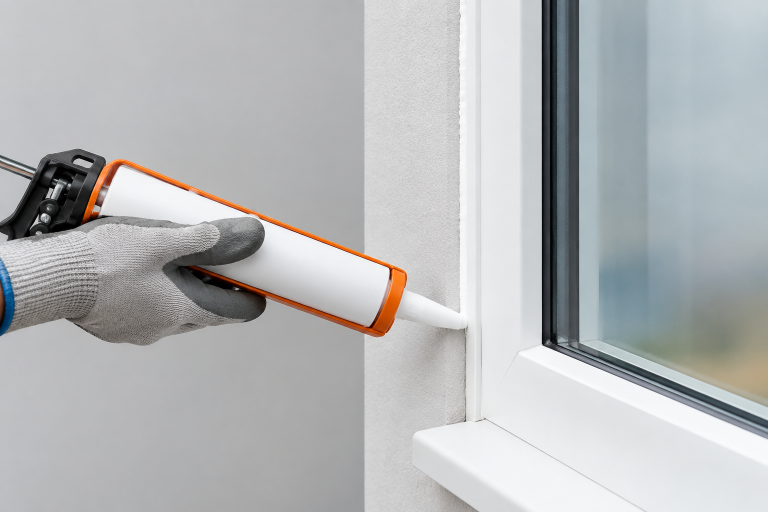
Use caulk for narrow, stationary cracks around trim, frames, and utility penetrations. Replace damaged window screens, add door sweeps where light appears underneath an exterior door, and repair loose weatherstripping. Larger holes should be covered with durable materials that rodents cannot readily chew through. Keep chimney caps and exterior vent covers in sound condition.
Do not seal vents that are necessary for heating equipment, attic ventilation, dryer exhaust, or moisture control. When in doubt, identify the purpose of an opening before closing it. EPA guidance on keeping pests away from food, water, shelter, and entryways supports a prevention-first approach that prioritizes maintenance over routine pesticide use.
Remove Food, Water, and Hiding Places
Exclusion works best when the property is less inviting to pests after they reach the exterior. Keep pantry foods in sealed containers, wipe counters and floors after meals, empty indoor trash regularly, and keep outdoor bins closed. Do not leave pet food out overnight when practical.
Moisture matters too. Repair dripping faucets, leaking pipes, and damp areas under sinks. Clear leaves and plant debris away from the foundation, clean the gutters, and ensure downspouts direct water away from the home. Move stacked firewood, cardboard, spare lumber, and stored materials away from exterior walls when possible. These materials can provide cover for pests before they move indoors.
Know Which Fall Pests You Are Seeing
Overwintering insects
Asian lady beetles, stink bugs, and cluster flies are often nuisance pests indoors. They may enter during the fall and become noticeable again on warm winter days. Avoid crushing beetles or stink bugs, which can leave stains or odors. Vacuuming visible insects and disposing of them outside is often a practical short-term response. University Extension guidance notes that sealing cracks around windows, doors, siding, and utility openings helps limit access for common fall invaders.
Rodents, ants, and cockroaches
These pests deserve closer attention because they can contaminate stored food, damage materials, or reproduce in hidden areas. Look for droppings, gnaw marks, nesting material, shed insect skins, trails near food storage, or scratching sounds from walls and ceilings. A single sighting does not always mean a large infestation, but activity in multiple rooms or repeated evidence usually warrants a more thorough investigation.
Use Pesticides Carefully
Identify the pest before choosing a product. Read and follow the entire label, use the product only in the locations listed on the label, and keep children and pets away from treated areas as directed. Never mix pesticides, and do not use an outdoor product indoors unless the label specifically permits it. For many fall problems, sealing openings, removing food sources, reducing moisture, and using traps or physical removal can be more useful than spraying visible pests alone.
A Seven-Day Fall Pest Prevention Checklist
- Day 1: Inspect doors, windows, foundation walls, and utility openings.
- Day 2: Caulk small gaps and replace damaged weatherstripping or screens.
- Day 3: Clean gutters and confirm that water drains away from the foundation.
- Day 4: Remove leaf piles, cardboard, and clutter near exterior walls.
- Day 5: Check the kitchen, pantry, basement, and garage for accessible food or moisture.
- Day 6: Look for droppings, webs, gnaw marks, shed skins, and unusual odors.
- Day 7: Arrange an inspection if pest evidence remains or the entry point is unclear.
Small Fall Repairs Can Prevent a Bigger Winter Problem
Keeping pests out of a Chicago home before winter is usually a matter of consistent maintenance, not one dramatic treatment. Seal the openings you find, reduce dampness and clutter, protect food storage, and monitor hidden areas before the cold settles in. When pests keep returning despite those steps, a professional inspection can help determine what is happening behind walls, above ceilings, or around the property’s exterior.