Why Water Quality Deserves More Attention
Water is one of those things we hardly think about until it gives us a reason to. You turn on the faucet expecting clean, fresh water for cooking, showering, washing clothes, or simply filling a glass. Most days, that’s exactly what happens. But sometimes there are subtle clues that everything isn’t quite right—a metallic taste, cloudy appearance, stubborn mineral stains, or an odd smell that seems to come and go.
The interesting part is that water problems often develop quietly. You adapt to them without realizing how much they’re affecting everyday life. Maybe you’ve started buying bottled water because the tap doesn’t taste great anymore. Maybe you’re replacing appliances sooner than expected, or constantly scrubbing hard water stains from bathroom fixtures.
Good water shouldn’t require workarounds. It should simply work.
Taking the time to understand your home’s water quality is one of the smartest investments you can make—not only for comfort but also for your plumbing, appliances, and long-term peace of mind.
Every Water Source Has Its Own Story
Not all water arrives at your home in the same condition. Municipal water systems treat water before it reaches households, but local infrastructure, aging pipes, and regional mineral content can still influence what comes out of the tap.
For homes supplied by private wells, the picture is even more unique. Groundwater conditions change over time due to weather, nearby land use, seasonal runoff, and naturally occurring minerals beneath the surface.
That’s why neighbors living only a short distance apart can experience completely different water conditions.
Rather than assuming your water is identical to everyone else’s, it makes sense to understand exactly what you’re working with.
Why Testing Is Especially Important for Well Owners
Private wells provide independence, but they also place more responsibility on homeowners.
Unlike municipal water, private wells aren’t continuously monitored by local utilities. That means homeowners play an important role in checking water quality on a regular basis.
Routine water well testing helps identify concerns such as bacteria, excessive minerals, iron, sulfur, nitrates, and other contaminants that may not be visible, noticeable by smell, or detectable through taste alone.
Testing doesn’t necessarily mean something is wrong. In many cases, it simply confirms that your water remains safe and consistent. When problems are detected early, they’re usually much easier—and less expensive—to address before they affect plumbing systems or household health.
Signs Your Water May Need Attention
Water quality issues often reveal themselves gradually rather than all at once.
You may notice white residue collecting around faucets or showerheads. Soap might not rinse away as easily as it once did. Laundry loses its brightness, dishes come out spotted, or your skin feels unusually dry after bathing.
Other warning signs can be more obvious.
Rust-colored stains around sinks often point toward iron. A rotten egg odor may indicate sulfur compounds. Cloudy water, unpleasant taste, or excessive sediment can all suggest underlying water quality concerns.
While these symptoms don’t always indicate serious problems, they do provide good reasons to investigate further instead of simply living with the inconvenience.
Finding the Right Treatment for Your Home
Once you understand what’s actually present in your water, choosing the right equipment becomes much simpler.
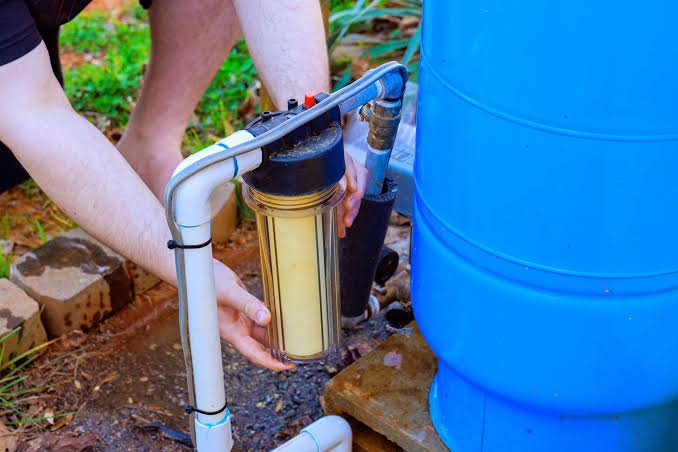
There isn’t one universal filtration system that’s perfect for every household. Some homes primarily need sediment removal. Others benefit from water softening, carbon filtration, reverse osmosis, ultraviolet disinfection, or combinations of several treatment methods.
The best water filtration solutions are designed around the specific needs of each household rather than relying on a generic approach.
That personalized strategy often produces better performance while avoiding unnecessary equipment and ongoing maintenance costs.
Instead of treating every possible issue, you’re solving the ones that actually exist.
Better Water Benefits Your Entire Home
People often think about drinking water first, but water flows through nearly every part of the house.
It fills your washing machine, powers your dishwasher, heats inside your water heater, runs through coffee makers, and supplies every shower your family enjoys.
Cleaner water can help reduce mineral buildup inside plumbing systems, improve appliance efficiency, and make routine cleaning easier. Many homeowners also notice softer laundry, cleaner dishes, smoother skin, and less soap residue throughout the home.
These improvements aren’t dramatic overnight transformations.
They’re quiet, everyday benefits that slowly become part of normal life.
And honestly, those are often the most valuable kind.
Small Improvements Create Long-Term Savings
Water treatment isn’t only about comfort. It also helps protect the investments you’ve already made in your home.
Hard water scale forces water heaters to consume more energy. Mineral buildup inside plumbing restricts water flow over time. Appliances exposed to untreated water often experience greater wear and require repairs sooner than expected.
Reducing these issues helps equipment operate more efficiently while lowering maintenance costs over the years.
Many homeowners are surprised to discover that proper water treatment pays for itself gradually through longer appliance life, reduced cleaning expenses, improved energy efficiency, and fewer unexpected plumbing repairs.
Creating a Home with Healthier Water
Every family defines comfort a little differently.
For some, it’s knowing the water tastes clean straight from the faucet. For others, it’s enjoying showers without dry skin, reducing bottled water purchases, or protecting expensive appliances from mineral damage.
Ultimately, the goal is simply creating healthier water for everyday living.
Cleaner water supports better cooking, more enjoyable beverages, improved household cleaning, and greater confidence in the water your family uses every single day.
It isn’t about perfection.
It’s about making meaningful improvements that support both comfort and long-term well-being.
Making Informed Decisions Instead of Guessing
One of the biggest mistakes homeowners make is purchasing water treatment equipment before understanding the actual problem.
Without testing, it’s easy to spend money on a system designed to solve issues your water doesn’t even have.
Professional testing removes that uncertainty. Instead of relying on assumptions or online advice, you receive recommendations based on real data gathered from your own water supply.
That simple difference often leads to better results, lower costs, and greater confidence in your investment.
Final Thoughts
Water touches nearly every aspect of life inside your home, yet it’s often one of the last systems people think about improving. Whether your water comes from a municipal supply or a private well, understanding its quality provides valuable insight into the health of your plumbing, appliances, and everyday routines.
The journey toward better water doesn’t begin with buying the biggest filtration system available. It begins with learning what’s actually flowing through your pipes and choosing treatment that matches your home’s unique needs.
Over time, cleaner water becomes something you don’t have to think about anymore—and that’s probably the best outcome of all. When every glass tastes fresh, appliances work efficiently, and your family can rely on the water coming from every faucet, you’ve created something truly valuable: confidence in one of the most important resources your home depends on every day.